
Unlock Flavor & Preserve Harvest: Your Guide to Dehydrated Bell Peppers
Dehydrating bell peppers offers a simple and effective method to preserve their vibrant flavor and nutritional value for long-term storage.
This technique requires minimal hands-on time, typically 8-12 hours in a dehydrator or low oven, resulting in intensely flavored pieces.
It is ideal for utilizing a surplus of garden-fresh peppers or extending the shelf life of store-bought produce.
Once dried, these peppers rehydrate beautifully, adding concentrated sweetness and color to soups, stews, casseroles, and egg dishes. Their lightweight, compact nature makes them perfect for backpacking trips or building robust emergency food supplies. The drying process removes moisture, inhibiting spoilage and intensifying natural sugars and aromas, ensuring a versatile pantry staple. Simply wash and slice peppers before drying to create convenient, ready-to-use pieces for countless recipes throughout the year.
Dehydrated Bell Peppers
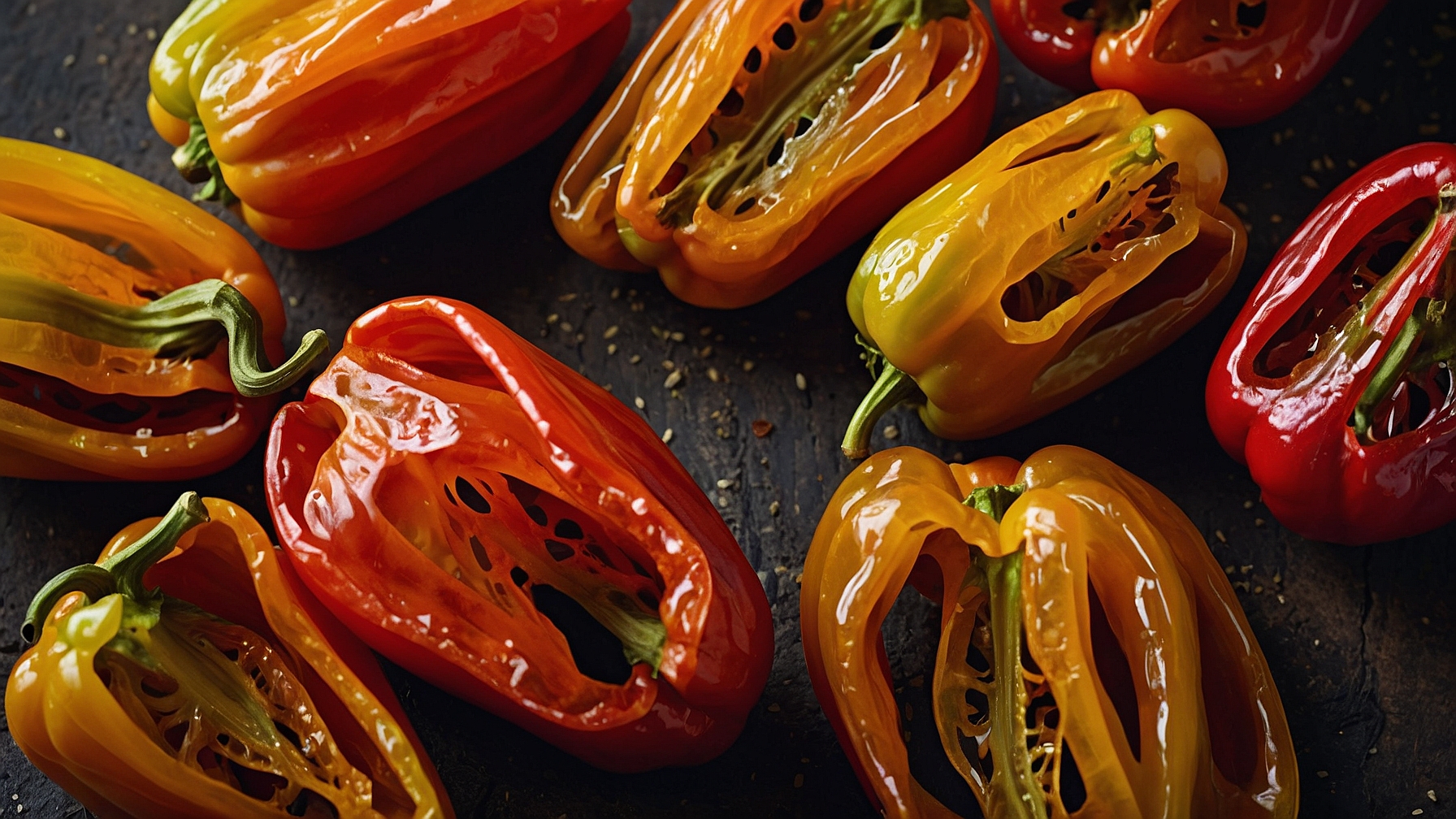
Dehydrate bell peppers for a long-lasting, versatile pantry staple.
Ingredients
- 3 lbs (1.36 kg) assorted bell peppers, washed and firm
- 8 cups (1.9 liters) water, for blanching (optional)
- 4 cups (950ml) ice, for ice bath (optional)
Instructions
- Prepare Bell Peppers: Wash 3 lbs (1.36 kg) bell peppers under cool running water. Pat dry with a clean towel.
- Core and Deseed: Cut off bell pepper ends. Remove core, white pith, and seeds. Discard.
- Slice or Dice: Slice bell peppers into 1/4 inch (6mm) strips or dice into 1/4 inch (6mm) cubes. Ensure uniform thickness.
- Optional Blanching: Bring 8 cups (1.9 liters) water to a rolling boil in a large pot. Add bell pepper pieces in batches. Blanch for 2 minutes until slightly softened and vibrant.
- Shock and Drain: Transfer blanched peppers to an ice bath (4 cups (950ml) ice). Cool for 2 minutes. Drain thoroughly and pat completely dry with a clean towel.
- Method 1: Dehydrator (Recommended)
- Arrange on Trays: Spread bell pepper pieces in a single layer on dehydrator trays. Avoid overlapping for optimal airflow.
- Set Temperature: Set dehydrator to 125°F (52°C).
- Dehydrate: Dry for 8-12 hours. Rotate trays every 2-3 hours for even drying.
- Check for Doneness: Peppers are done when brittle, completely dry, and snap easily without flexibility or moisture. Texture resembles dried potato chips.
- Method 2: Oven Dehydration (Alternative)
- Preheat Oven: Preheat oven to 130-150°F (54-65°C). Prop oven door open with a wooden spoon for moisture escape.
- Prepare Baking Sheets: Line baking sheets with parchment paper. Arrange bell pepper pieces in a single layer, not touching.
- Dehydrate: Dehydrate for 6-10 hours. Rotate baking sheets every 1-2 hours for even drying.
- Check for Doneness: Peppers are done when completely dry, crispy, and shatter when broken, with no chewiness or moisture.
- Method 3: Air Fryer Dehydration (Small Batches)
- Prepare Air Fryer: Set air fryer dehydrate function to 120-135°F (49-57°C). If no dehydrate function, use the lowest bake/roast setting.
- Arrange in Basket: Arrange bell pepper pieces in a single layer in the air fryer basket. Avoid overcrowding; work in batches if needed.
- Dehydrate: Dehydrate for 4-8 hours, checking every 1-2 hours. Adjust time based on air fryer model.
- Check for Doneness: Peppers are done when completely crisp, dry, and show no flexibility or moisture when pressed.
- Cool Completely: Cool dehydrated bell peppers completely for 30-60 minutes before storing. This prevents condensation.
- Condition for Storage: Transfer cooled peppers to an airtight glass jar. Shake daily for 5-7 days to redistribute moisture. If condensation appears, return to dehydrator for 1-2 hours until dry. This prevents mold.
- Store: Store conditioned, dry peppers in an airtight container in a cool, dark pantry for up to 1 year. Label with the dehydration date.
Notes
- Bell Pepper Variety: Any bell pepper color works. Red and yellow retain more sweetness and vibrant color than green.
- Uniform Thickness: Uniform 1/4 inch (6mm) slices or dices ensure consistent drying. Use a mandoline for precise cuts.
- Blanching Benefits: Blanching peppers for 2 minutes (optional) preserves color, flavor, and texture. Always follow with an ice bath and thorough drying.
- Avoid Overlapping: Arrange bell pepper pieces in a single layer; overlapping traps moisture and extends drying, risking spoilage.
- Humidity Considerations: Drying times vary with humidity; humid environments require longer drying. Ensure good air circulation.
- Troubleshooting – Not Drying: If peppers are not drying, increase drying time by 1-2 hour increments. Verify consistent dehydrator/oven temperature and airflow.
- Rehydration: To rehydrate, cover dried peppers with hot water for 20-30 minutes until tender. Drain before use. Alternatively, add directly to soups/stews during the last 20-30 minutes of cooking.
- Usage Suggestions: Use in chili, soups, stews, casseroles, pasta sauces, scrambled eggs, or spice blends. Grind into powder for seasoning.
- Storage Lifespan: Conditioned, stored peppers last up to 1 year. For 2 years, vacuum seal in airtight bags or jars.
Pro Tips for Perfect Dehydrated Bell Peppers
Ingredient Tips
- Optimal Bell Pepper Selection:Choose firm, vibrantly colored bell peppers weighing at least 0.75 lbs (about 340g) each for maximum flesh and flavor concentration. Avoid any peppers with soft spots, wrinkles, or visible blemishes, as these indicate reduced water content or spoilage, which can lead to uneven drying and a less appealing final product.
- Consistent Slice Thickness:For uniform drying, slice bell peppers into consistent 1/4-inch thick strips or dice into 1/2-inch cubes. Deviating significantly (e.g., slices thicker than 3/8-inch) will extend drying time by 2-4 hours and can result in some pieces being leathery while others are fully dry.
- Thorough Core and Pith Removal:Completely excise all white pith and seeds using a paring knife or spoon. Even small remnants of pith can introduce a bitter aftertaste and significantly prolong drying by 1-3 hours due to its higher moisture and dense structure, preventing a crisp texture.
- Pre-Wash & Dry Protocol:Wash peppers under cool running water for 30 seconds to remove any surface dirt or pesticides. Then, ensure they are thoroughly patted dry with a clean kitchen towel or spun in a salad spinner for 1 minute until no visible water remains. Excess surface moisture will unnecessarily extend the initial drying phase by 1-2 hours.
- Color Separation for Efficiency:If dehydrating various colors, separate red, yellow, and green peppers onto different dehydrator trays. Green bell peppers typically possess a slightly denser cell structure and may require an additional 1-2 hours of drying compared to red and yellow varieties for a uniformly crisp result.
Technique Tips
- Blanching for Color & Speed:For vibrant color retention and reduced drying time by 20-30%, blanch sliced peppers in boiling water for 2-3 minutes until slightly softened but still firm. Immediately plunge into ice water for 3 minutes until chilled, then pat thoroughly dry before dehydrating.
- Single Layer Placement:Arrange prepared pepper pieces in a single, non-overlapping layer on dehydrator trays, leaving 1/4-inch space between pieces. Overlapping pieces will trap moisture, extending drying time by 4-6 hours and increasing the risk of mold.
- Optimal Dehydration Temperature:Set your dehydrator to a consistent 125°F (52°C) for bell peppers. Temperatures below 115°F (46°C) can extend drying time by 6-8 hours, while above 135°F (57°C) risks “case hardening,” where the outside dries too quickly, trapping moisture and resulting in a leathery rather than crisp texture.
- Initial Drying & Rotation:Dry bell peppers for an initial 6-8 hours at 125°F (52°C). After this period, rotate trays and flip individual pieces for more even drying, particularly in dehydrators without a powerful fan.
- Testing for Dryness:After 8-12 hours of drying, test for dryness by breaking a piece. A perfectly dried bell pepper piece should be brittle and snap cleanly, not bend or feel leathery. There should be no visible moisture or soft spots when squeezed firmly. Continue drying in 1-2 hour increments until this state is achieved.
- Conditioning Post-Dehydration:Once fully dry, allow peppers to cool completely for 30 minutes. Transfer to an airtight jar, filling it 2/3 full, and shake daily for 7 days. If condensation appears (a visual cue), return peppers to the dehydrator for an additional 2-4 hours to prevent spoilage.
Common Issues
- Leathery or Chewy Peppers:This indicates insufficient drying. Return the peppers to the dehydrator at 125°F (52°C) for an additional 2-4 hours. Continue until a piece snaps cleanly when bent and shows no pliability.
- Case Hardening (Hard exterior, soft interior):If caught early (within the first 4-6 hours), reduce the dehydrator temperature to 110°F (43°C) for the remaining 6-8 hours. For advanced cases, rehydrate in warm water for 15 minutes, drain, then return to dehydrator at 110°F (43°C) for 6-8 hours, though full crispness may be compromised.
- Mold Spots Appearing (After storage):Mold growth (often fuzzy white or black spots, a visual cue) indicates moisture was trapped during storage due to incomplete drying. Unfortunately, molded dehydrated foods should be discarded immediately. Ensure peppers snap cleanly and condition for 7 days, checking daily for condensation.
- Unevenly Dried Pieces:This results from inconsistent slicing or poor air circulation. Ensure all pieces are sliced to a uniform 1/4-inch to 3/8-inch thickness. Rotate dehydrator trays every 4 hours and flip individual pieces after 6 hours to promote even airflow. For non-fan dehydrators, consider an external fan to reduce drying time by 10-15%.
- Loss of Vibrant Color:While some dulling is normal, blanching peppers in boiling water for 2-3 minutes before dehydrating sets the color. Store dried peppers in opaque, airtight containers away from direct sunlight for up to 12 months; exposure to light (a visual cue) can accelerate fading.
Storage, Rehydration, and Creative Uses for Dehydrated Bell Peppers
Dehydrated bell peppers are a pantry staple, offering concentrated flavor and extended shelf life. While the dry product itself is shelf-stable, these guidelines focus on storing and reheating bell peppers once they’ve been rehydrated and incorporated into a prepared dish. For the optimal preservation of your culinary creations, understanding proper storage and reheating techniques is key.
Refrigerator Storage
Duration: 3-4 days in an airtight container.
Once rehydrated and cooked into a dish (e.g., a stir-fry, casserole, or sauce), bell peppers should be stored in an airtight glass container (e.g., Pyrex) or a food-grade plastic container (e.g., Lock & Lock). The texture will soften further over time, and the vibrant color may dull slightly. Flavors can meld and deepen, but for optimal freshness and texture, consume within 3 days. Refrigerator storage is not recommended for storing dry dehydrated peppers, as condensation can lead to spoilage.
Freezer Storage
Duration: 2-3 months.
Allow cooked dishes containing rehydrated bell peppers to cool completely before freezing. Portion into individual servings or family-sized amounts. For best results, flash freeze items like roasted peppers individually on a baking sheet before transferring them to a freezer-safe bag (e.g., Ziploc freezer bag with air removed) or a freezer-safe, airtight container (e.g., Rubbermaid Brilliance). Label with the date. Thaw overnight in the refrigerator (6-8 hours) before reheating, or add directly to soups/stews from frozen, increasing cooking time by 10-15 minutes. Rehydrated bell peppers in frozen dishes may become noticeably softer or slightly mushy after thawing and reheating due to cellular changes from ice crystal formation. This method is best suited for dishes where a firmer texture is less critical, such as casseroles, chilis, or sauces.
Reheating Instructions
- Oven:Preheat oven to 350°F. Place the dish (e.g., casserole, roasted peppers) in an oven-safe dish, covered with foil, for 15-20 minutes. Remove foil and heat for another 5 minutes if a slight crisping is desired. The dish is ready when bubbling and heated through to an internal temperature of 165°F. Rating: Oven reheating works best for maintaining the integrity and texture of bell peppers within a dish, providing even warmth and minimizing further softening.
- Microwave:For individual portions, place in a microwave-safe dish. Heat on high power for 2-3 minutes, stirring halfway through, until steaming hot. Rating: Microwave reheating is acceptable for convenience but can further soften the peppers’ texture and may result in uneven heating.
- Stovetop:For saucy dishes or stir-fries, transfer to a non-stick pan or skillet over medium heat. Add a tablespoon of water or broth to prevent sticking. Stir frequently for 5-7 minutes until thoroughly heated. Rating: Stovetop reheating is a good option for dishes that benefit from gentle stirring and can help slightly restore some texture, but it requires active monitoring.
Make-Ahead Tips
Long-Term Dry Storage: Properly dehydrated bell peppers (bone dry) should be stored in an airtight container, such as glass mason jars with oxygen absorbers or vacuum-sealed bags. Keep in a cool, dark, dry pantry away from light. Duration: Up to 1-2 years. After 1 year, flavor may subtly diminish, and color vibrancy can fade. Do not store dry peppers in the refrigerator or freezer unless vacuum-sealed for very extended periods (5+ years), as condensation can lead to spoilage.
Pre-Rehydration: For quick meal prep, rehydrate a batch of bell peppers in advance. Place the desired amount in a bowl, cover with hot water, and soak for 20-30 minutes, or with cold water for 1-2 hours, until tender but still slightly firm. Drain thoroughly. Store these rehydrated (but uncooked) peppers in an airtight glass container in the refrigerator for 2-3 days. They will be significantly softer than fresh peppers, with a concentrated flavor, ready to be added to any recipe.
Dehydrated bell peppers, once rehydrated, are incredibly versatile. Incorporate them into hearty chilis, stews, and soups for a burst of concentrated flavor and texture. Add them to stir-fries, omelets, or pasta sauces. They can also be ground into a powder to create a flavorful seasoning for rubs, marinades, or homemade spice blends, adding a sweet, smoky pepper note without added moisture.