
Homemade Dairy-Free Sour Cream: Creamy & Tangy Perfection
Achieve a perfectly tangy and creamy dairy-free sour cream in just 5 minutes with this simple recipe.
It requires only 4 basic ingredients, transforming raw cashews into a versatile condiment using a high-speed blender.
This homemade alternative is ideal for topping chili, tacos, baked potatoes, or as a base for creamy dressings.
Using soaked cashews ensures a smooth, thick consistency, mimicking traditional sour cream without any dairy. The lemon juice and apple cider vinegar contribute the characteristic sour notes, while a pinch of salt balances the flavors. This plant-based option is excellent for those with dietary restrictions or anyone seeking a healthier, whole-food alternative. Prepare a batch for fresh use throughout the week.
Homemade Dairy Free Sour Cream
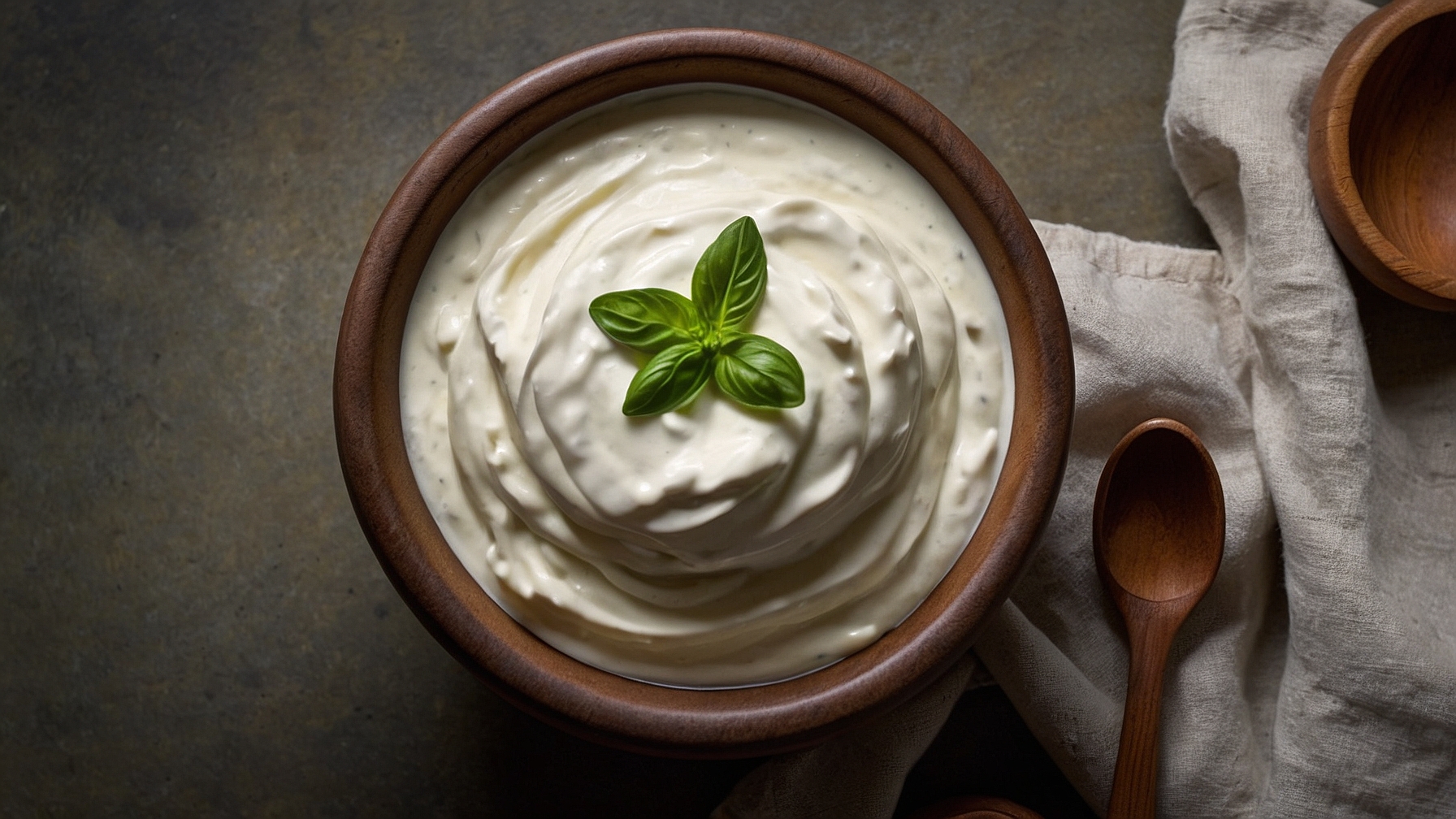
Make plant-based sour cream from cashews. This recipe yields a thick, tangy cream for dairy-free diets.
Ingredients
- 1.5 cups (200g) raw cashews, unsalted, soaked
- 0.75 cup (180ml) filtered water
- 2 tablespoons (30ml) fresh lemon juice
- 1 tablespoon (15ml) apple cider vinegar, unfiltered
- 1 teaspoon (5g) fine-grain sea salt
- 1-2 tablespoons (7-14g) nutritional yeast, optional
- 1 probiotic capsule, vegetarian, contents only
Instructions
- Place 1.5 cups (200g) raw cashews into a medium bowl. Cover cashews with 3 cups (720ml) hot water. Soak 4-12 hours until plump and softened.
- Drain soaked cashews using a fine-mesh sieve. Rinse cashews thoroughly under cold running water for 30-60 seconds. Shake off excess water until well-drained.
- Transfer cashews to a high-speed blender. Add 0.75 cup (180ml) filtered water, 2 tablespoons (30ml) fresh lemon juice, 1 tablespoon (15ml) apple cider vinegar, 1 teaspoon (5g) sea salt, and 1-2 tablespoons (7-14g) nutritional yeast (optional).
- Secure blender lid. Blend on high speed for 3-5 minutes. Scrape down blender sides periodically. Continue blending until mixture is smooth, creamy, and free of cashew pieces, resembling thick, pourable yogurt.
- Check texture and taste. For thinner consistency, add 1-2 tablespoons (15-30ml) filtered water at a time. Blend 30 seconds after each addition until desired consistency. Adjust flavor: add more salt, lemon juice, or nutritional yeast. Blend 10-15 seconds to incorporate.
- If fermenting, twist open 1 vegetarian probiotic capsule. Pour powder contents into sour cream. Discard capsule casing. Blend 10-15 seconds to mix.
- Transfer sour cream to a clean glass jar. Cover jar loosely with a lid or breathable cloth (do not seal tightly to allow gas release).
- Place jar in a warm kitchen spot, away from direct sunlight. Ferment for 6-12 hours. Check after 6 hours for increased tang and tiny bubbles. Fermentation time varies by ambient temperature and desired tanginess.
- Once tangy (or after step 5 if no probiotics), transfer to an airtight container. Refrigerate for at least 4 hours. Sour cream will thicken and flavors will develop upon chilling.
- Serve chilled. Sour cream will be thick, smooth, and tangy. Store in an airtight container in the refrigerator for 5-7 days.
Notes
- Soaking Cashews: For optimal creaminess, soak cashews 8-12 hours overnight. For quick soak, cover cashews with boiling water. Soak 30-60 minutes. Drain and rinse thoroughly. Overnight soaking yields a silkier texture.
- Consistency Adjustment: Water amount varies by blender and desired thickness. Start with recommended water. Add 1 tablespoon (15ml) water at a time for thinner consistency. Use less water initially for a thicker, dip-like consistency.
- Probiotics for Fermentation: Probiotic capsules are optional. They create a more complex, authentic sour cream flavor and offer gut-healthy benefits. Without probiotics, tang comes from lemon juice and apple cider vinegar. Use vegetarian capsules with live cultures.
- Flavor Profile: Adjust lemon juice and apple cider vinegar for desired tanginess. For an umami, cheesy note, increase nutritional yeast to 2 tablespoons (14g). Taste and adjust after initial blending.
- Storage: Store finished sour cream in an airtight container in the refrigerator for 5-7 days. Natural separation may occur; stir vigorously to recombine before serving.
- Uses: Use as a topping for tacos, nachos, baked potatoes, chili, or in creamy salad dressings and dips. Add to soups or recipes requiring a creamy, tangy element.
Pro Tips for Perfect Dairy-Free Sour Cream
Ingredient Tips
- Raw Cashew Quality:Always use 1 cup (140g) raw, unsalted, unroasted cashews. Roasted cashews alter the flavor profile and yield a less neutral base, impacting the final sour cream taste.
- Optimal Cashew Soaking:For the smoothest texture, soak 1 cup of cashews in very hot (not boiling) water for exactly 30 minutes, or until they become visibly plump and are easily pierced with a fork. Alternatively, soak in cold water for a minimum of 8 hours, ensuring full saturation.
- Fresh Acid Use:Incorporate 2 tablespoons of freshly squeezed lemon juice for a bright, authentic tang. Bottled lemon juice often contains preservatives that can lend a less vibrant, slightly metallic taste, so use fresh for superior results.
- Salt Type and Quantity:Start with 1/4 teaspoon of fine sea salt during initial blending. Fine sea salt dissolves more readily and distributes evenly; avoid coarser salts which can leave a gritty residue. Adjust in 1/8 teaspoon increments if needed.
- Optional Sweetener Balance:Add 1/2 teaspoon of maple syrup (or agave) during blending, especially if fermenting. This small amount won’t make it sweet but will subtly balance the strong acidity and enhance the overall “creamy” perception.
Technique Tips
- Initial Liquid Quantity:For 1 cup (140g) cashews, start blending with exactly 1/2 cup (120ml) filtered water. This lower liquid ratio initially creates a thick paste, essential for pulverizing all cashews into an ultra-smooth consistency, preventing any grainy bits.
- High-Speed Blending Protocol:Blend on high speed for a minimum of 2 minutes, stopping every 30 seconds to scrape down the sides with a spatula. Continue until the mixture is visibly silky smooth and no trace of grit is felt when rubbed between your fingers.
- Fermentation for Tang Depth:Stir in the contents of 1 vegan probiotic capsule (at least 20 billion CFUs) into your cashew cream. Cover loosely and ferment at 70-75°F (21-24°C) for 10-12 hours, or until a distinct tangy aroma develops and tiny bubbles appear around the edges.
- Chilling for Optimal Set:Transfer the blended mixture to an airtight container and refrigerate for a minimum of 4 hours. This allows the fats to solidify and flavors to meld, transforming it into a thick, scoopable sour cream texture that firmly holds its shape on a spoon.
- Adjusting Post-Chill Consistency:If your sour cream is too thick after chilling, stir in cold filtered water, 1 teaspoon at a time, mixing thoroughly after each addition. This often takes 2-3 teaspoons to achieve your desired creamy, dollop-able consistency.
Common Issues
- Grainy Texture:If your sour cream feels gritty, re-blend the entire mixture with 2 tablespoons of hot (not boiling) water for an additional 90 seconds on the highest setting. Ensure cashews were soaked for a minimum of 30 minutes in hot water until visibly plump and easily crushed.
- Insufficient Tang:If the sour cream lacks a tangy bite, stir in an additional 1/2 teaspoon of fresh lemon juice or 1/4 teaspoon of apple cider vinegar, then refrigerate for 30 minutes to allow flavors to meld. For fermented versions, extend fermentation by 2-4 hours at 70-75°F (21-24°C).
- Post-Chill Separation:A thin, watery layer forming on top after refrigeration is normal; simply stir vigorously with a spoon for 20-30 seconds to re-emulsify. To prevent this, blend in 1/4 teaspoon of sunflower lecithin granules during the initial high-speed blending phase.
- Off-Flavors (Bitter/Metallic):If your sour cream tastes bitter or metallic, ensure any added vinegar is reduced by 1/4 teaspoon in your next batch. For fermented versions, ensure fermentation doesn’t exceed 14 hours at room temperatures above 75°F (24°C), which can lead to undesirable flavors.
- Lack of Richness/Blandness:If the flavor feels flat, after initial chilling, stir in an additional 1/8 teaspoon of fine sea salt and 1/4 teaspoon of fresh lemon juice. Allow to sit for 15 minutes for flavors to deepen before re-tasting and making further minor adjustments.
How to Store and Serve Your Dairy-Free Sour Cream
Proper storage and gentle reheating are key to enjoying your homemade dairy-free sour cream to its fullest. Whether made from cashews, tofu, or coconut, these plant-based alternatives require specific care to maintain their creamy texture and tangy flavor.
Refrigerator Storage
Duration: 5-7 days in airtight container
Store your homemade dairy-free sour cream in an airtight glass jar or a food-grade plastic container. Ensure the lid is sealed tightly to prevent oxidation and absorption of other refrigerator odors. Over time, especially with nut-based versions, you may notice some natural separation, where a thin layer of liquid might rise to the top. This is perfectly normal. Simply stir vigorously with a spoon or whisk to reincorporate the ingredients and restore its creamy consistency. As it ages, the texture may thicken slightly, and the fresh, bright tang might mellow, losing some of its initial brightness around day 5. Discard immediately if you observe any mold, an off-putting smell, or unusual discoloration, as these are signs of spoilage.
Freezer Storage
Duration: 2-3 months
Freezing dairy-free sour cream is possible, but expect significant texture changes upon thawing. To freeze, portion the sour cream into smaller, freezer-safe containers, or even ice cube trays for individual servings. Cover tightly with a layer of plastic wrap pressed directly onto the surface, then seal with an airtight lid or transfer frozen cubes to a freezer-safe bag. This helps prevent freezer burn. Thaw frozen sour cream overnight in the refrigerator. After thawing, it will almost certainly appear separated, watery, or even slightly grainy. Vigorously whisking or briefly re-blending in a high-speed blender can help smooth it out, but it will rarely return to its original, perfectly smooth consistency. Freezing is best reserved for sour cream intended for cooked applications, such as thickening soups, sauces, or casseroles, where texture imperfections are less noticeable.
Reheating Instructions
- Stovetop (Gentle Warming):Transfer the desired amount to a small saucepan. Heat over low heat, stirring constantly, aiming for an internal temperature of approximately 160°F (70°C) for 5-8 minutes. It should be gently steaming, not boiling.
Rating: Optimal for gently warming standalone dairy-free sour cream or incorporating into warm sauces, as it allows for precise temperature control and minimizes separation if stirred constantly. - Microwave (Quick Warming):Place a small portion in a microwave-safe bowl. Heat on medium-low power (50%) for 30-60 seconds, stirring halfway through. It should be warm to the touch but never reach a boil.
Rating: Acceptable for very small portions or quick warmth. However, it’s the riskiest method for texture, often leading to increased separation and grittiness if overheated. Always stir vigorously after heating to attempt to re-emulsify. - Oven (Integrated into Baked Dishes):If your dairy-free sour cream is incorporated into a baked dish like a casserole or enchiladas, cover the dish with foil and reheat in an oven preheated to 325°F (160°C) for 15-20 minutes, or until heated through and bubbling gently at the edges.
Rating: Recommended for reheating dishes where the dairy-free sour cream is already an integrated ingredient. Covering helps prevent drying and maintains a smoother consistency within the overall dish.
Make-Ahead Tips
For maximum freshness and flavor, it’s generally best to make your dairy-free sour cream no more than 1-2 days in advance of serving. If you want to prep components further ahead, the base ingredients like soaked cashews can be prepared, drained, and stored in an airtight container in the refrigerator for up to 2-3 days. Similarly, pre-measured herbs or spices can be assembled. Blend the full recipe closer to when you plan to use it to ensure the freshest taste and best texture. If making the complete recipe ahead, store it as directed under “Refrigerator Storage” and give it a good stir before serving to revive its consistency.