
Breathe New Life into Day-Old Bagels: Your Guide to Softness
Transform dry, day-old bagels into their soft, chewy best with an easy rehydration method.
This simple technique uses just a splash of water and takes under 5 minutes, whether you use a microwave, oven, or air fryer. No specialized tools are needed to restore their perfect texture, making it an ideal solution for preventing food waste. The gentle application of heat and moisture revitalizes the crumb, ensuring a warm, fresh-tasting result every time.
Enjoy your softened bagels sliced for breakfast sandwiches, toasted with cream cheese, or as a base for open-faced melts.
How To Soften Day Old Bagels
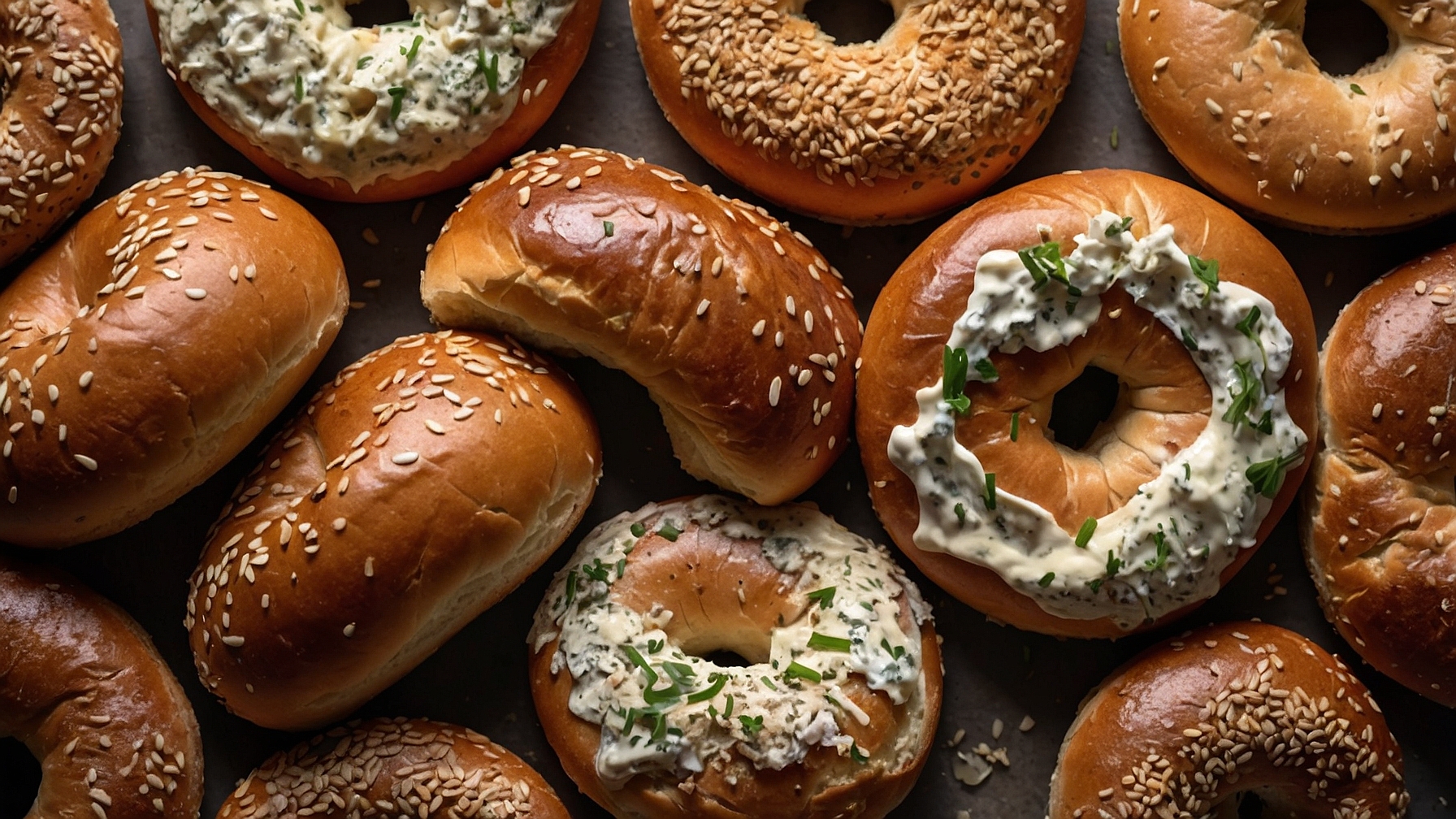
Revive day-old bagels. Achieve a soft, chewy interior and crisp crust using oven, toaster, microwave, or steamer methods.
Ingredients
- 1-4 day-old bagels, whole or sliced
- 1-2 tablespoons (15-30ml) water
Instructions
Method 1: Oven Method (Recommended for best texture)
- Preheat oven to 350°F (175°C).
- Run each whole bagel under cool tap water for 1-2 seconds, or spritz its exterior with 1-2 tablespoons (15-30ml) water. Ensure the surface is visibly damp.
- Place moistened bagels directly on the middle oven rack or a baking sheet. Bake 5-7 minutes until the crust feels slightly crisp and interior is soft and warm.
- Remove bagels from oven with tongs. Slice immediately; observe steam for thorough reheating.
Method 2: Toaster or Toaster Oven Method (Ideal for sliced bagels)
- Slice bagel horizontally into two halves using a serrated knife.
- Run cut sides of each bagel half under cool tap water for 1 second, or spritz with 1 teaspoon (5ml) water per half. Alternatively, pat cut sides with a damp paper towel until visibly moist.
- Place bagel halves, cut-side up, into a toaster or toaster oven. Toast on medium-low (level 2-3 of 5) for 2-4 minutes until cut sides are lightly golden brown and interior feels warm and soft.
- Remove bagel halves when exterior shows slight crispness and interior is pliable and hot.
Method 3: Microwave Method (Quickest, best followed by toasting)
- Run each whole bagel under cool tap water for 1-2 seconds, or spritz with 1-2 tablespoons (15-30ml) water. Ensure exterior is evenly damp.
- Wrap moistened bagel loosely in a damp paper towel.
- Place wrapped bagel on a microwave-safe plate. Microwave on high for 20-30 seconds (1 bagel) or up to 60 seconds (2 bagels) until warm and soft.
- Rest 10-15 seconds. Unwrap and slice. Check for warmth and soft texture.
- Optional: Transfer sliced bagel to a toaster or toaster oven. Toast 1-2 minutes until lightly golden brown.
Method 4: Steamer Method (Excellent for very stale or multiple bagels)
- Fill a medium pot with 1 inch (2.5cm) water. Bring to a rolling boil over medium-high heat. Place a steamer basket or heat-proof colander above water level.
- Place 1-4 whole bagels in the steamer basket. Cover pot tightly with a lid.
- Steam 3-5 minutes until bagels are thoroughly warm, soft, and pliable.
- Remove bagels from steamer with tongs. Serve immediately. Bagels should feel warm and soft when squeezed.
Notes
- Choosing the Right Bagel: Use on stale, firm bagels, not moldy or rock-hard. Severely hardened bagels benefit most from Steamer or Oven methods.
- Don’t Over-Moisten: Do not over-moisten. Excessive water saturates bagels, creating a soggy interior. Apply light, even dampness to the surface only.
- Wrapping in Foil (Oven Optional): Oven Optional: For a softer crust and chewy interior, loosely wrap moistened bagel in aluminum foil before baking. Bake for 8-10 minutes. This may reduce exterior crispness.
- Freezing Bagels for Future Use: To freeze bagels: Slice horizontally. Wrap each half tightly in plastic wrap. Place in freezer-safe bag for up to 3 months. To use, thaw 10-15 minutes at room temperature, then use Toaster or Oven method.
- Serving Suggestions: Serve immediately with cream cheese, butter, or jam. The warmth enhances flavor and texture.
- Texture Expectations: Revived bagels may not replicate fresh bakery texture. Expect a soft, chewy interior with a moderately crisp exterior; crispness varies by method.
- Best Used Immediately: Consume revived bagels immediately after softening. Bagels harden quickly as they cool. Prepare only the quantity needed for immediate consumption.
Pro Tips for Perfectly Softened Bagels
Ingredient Tips
- Water Quantity for Steaming:For stovetop steaming, add precisely 1/2 cup (120ml) of water to a small 2-quart saucepan before placing bagels on a rack or in a steamer basket; ensure water does not touch the bagel directly, for an optimal steam bath preventing sogginess while ensuring a tender interior.
- Aluminum Foil Thickness:Use heavy-duty aluminum foil (at least 0.8 mil thick) to tightly wrap individual bagel halves or whole bagels, sealing all edges to create a steamy micro-environment that uniformly rehydrates the crumb without drying the crust in an oven, yielding a flexible, soft texture.
- Ice Cube Addition:When microwaving, place a single ice cube (approximately 1 ounce/30ml of frozen water) directly onto the surface of a split bagel before heating for 20-30 seconds on high power, allowing melting ice to generate direct steam that penetrates and softens the crumb from the inside out, yielding a remarkably pliable result.
Technique Tips
- Precise Oven Baking:Preheat your oven to a specific 325°F (160°C) and place whole bagels directly on the middle rack for 6-8 minutes, or until the crust feels slightly pliable to the touch and the interior is warm and springy when gently squeezed, indicating complete rehydration and softening.
- Controlled Pot Steaming:Bring 1/2 inch (1.25 cm) of water to a rolling boil in a 3-quart pot, then reduce heat to low and place a metal strainer or steamer basket above the water. Arrange bagel halves cut-side down and steam for exactly 90 seconds, turning once after 45 seconds, until the crust has a glossy, slightly softened appearance and the internal crumb is fully warm and yielding.
- Quick Microwave Softening:Lightly dampen a single paper towel (approx. 10×10 inches) with 1 tablespoon (15ml) of water, ensuring it’s not dripping wet. Wrap a split bagel completely in the damp towel and microwave on high for 25 seconds, checking for softness; if needed, continue for additional 10-second bursts until uniformly warm and supple to the touch.
- Toaster Oven Steam Bake:Wrap a whole bagel tightly in heavy-duty foil, ensuring no steam escapes, and place it directly into a cold toaster oven. Set temperature to 300°F (150°C) and bake for 7 minutes, then turn off the oven and let sit for an additional 2 minutes inside, allowing residual heat to continue softening until steamy and soft when unwrapped.
Common Issues
- Battling Excessive Crispiness:If your bagel emerges too crisp despite softening, immediately brush the surface with 1/2 teaspoon of cold water using a pastry brush, then allow it to sit for 30 seconds. Residual heat converts water into steam, re-moistening the crust without making the interior soggy, resulting in a more pliable texture.
- Achieving Interior Softness:When the interior remains dry, indicating insufficient steam, increase steaming time by 30 seconds for stovetop methods, or add an extra 10ml (2 teaspoons) of water to your microwave dish. For oven methods, ensure foil wrap is completely sealed, then extend baking by 2 minutes at 300°F (150°C) for full moisture permeation and a consistently soft chew.
- Preventing Over-Steaming:A soggy or rubbery bagel is due to excessive moisture. Reduce steaming time by 20 seconds, or decrease water in your steaming setup by 1/4 cup (60ml). If microwaving with a damp towel, ensure it’s slightly damp with exactly 1 tablespoon of water, and shorten initial heating to 20 seconds to prevent waterlogged exterior.
- Ensuring Uniform Rehydration:Hard spots occur when moisture doesn’t reach all areas. For oven methods, ensure the bagel is wrapped evenly and rotated halfway through the 8-minute bake time. For stovetop steaming, arrange bagels in a single layer and flip precisely after 45 seconds. In the microwave, split and overlap halves slightly before heating for 25 seconds, allowing steam to reach both surfaces evenly.
Common Mistakes to Avoid When Softening Bagels
Common Mistakes
- Over-soaking or too much direct water:
- This happens when a bagel is submerged for too long or doused in excessive water, leading to a soggy, mushy interior that falls apart rather than softening. The delicate balance of the crust and crumb is overwhelmed.
- Exact fix: Instead of soaking, use a fine mist spray bottle to apply 2-3 light spritzes per side of the bagel (approximately 1/2 teaspoon of water total per half). Alternatively, if dipping, quickly pass each bagel half through 1 inch of hot tap water for no more than 1-2 seconds, ensuring only the surface gets wet.
- Microwaving a plain, dry bagel:
- Placing a day-old bagel directly into the microwave without any added moisture causes its existing water molecules to heat aggressively and evaporate too rapidly. This results in a rubbery, tough texture, as the gluten structure tightens and hardens.
- Exact fix: Always wrap the bagel loosely in a damp paper towel—dampened with exactly 2 tablespoons of water, squeezed to remove any drips—before microwaving. Heat on high for 20-30 seconds, observing for warmth and pliability.
- Toasting a completely dry bagel:
- Toasting a stale bagel without any prior rehydration simply removes any remaining residual moisture, exacerbating its hardness and leading to an overly crispy, sometimes burnt exterior with a still-hard interior. The dry heat further dehydrates rather than revitalizes.
- Exact fix: Before toasting, lightly spritz each cut side of the bagel with water, using approximately 1/4 teaspoon per side (1/2 teaspoon total per bagel). Toast on a medium-low setting for 2-3 minutes, until the edges are golden brown and the surface feels slightly springy to the touch.
Key Techniques
- Oven Rejuvenation (Best for chewy interior and crisp crust):
- This method is ideal for multiple bagels, creating a wonderfully chewy inside and a lightly crisp exterior.
- Steps: Preheat your oven to 350°F (175°C). Lightly mist each bagel half with water, using about 1 teaspoon of water per bagel total, ensuring an even sheen. Place the bagel halves directly onto the oven rack, cut-side up if desired. Bake for 5-7 minutes. Remove when the crust feels slightly crisp but yields to a gentle squeeze, indicating a soft, warm interior.
- Stovetop Steaming (Quick and effective for soft texture):
- This technique provides indirect hydration, yielding a consistently soft and pliable bagel with a slightly glossy finish.
- Steps: Fill a medium pot with exactly 1 inch of water and bring it to a simmer over medium heat. Place a steamer basket or a heat-safe colander above the simmering water, ensuring it doesn’t touch the water. Arrange the bagel halves in a single layer within the basket. Cover the pot with a tight-fitting lid and steam for 3-5 minutes. The bagels are ready when they feel warm and pliable to the touch, and the exterior surface looks slightly shiny and softened.
- Microwave with Damp Paper Towel (Fastest single-bagel method):
- Perfect for a quick fix, this method utilizes trapped steam to rapidly rehydrate the bagel.
- Steps: Slice the bagel in half. Dampen a single sheet of paper towel with 2 tablespoons of water, then wring out any excess until it’s moist but not dripping. Wrap each bagel half loosely in the damp paper towel. Microwave on high for 20-30 seconds. Check for softness; if it’s not quite pliable, microwave for an additional 10 seconds. The bagel should be warm and soft throughout, and the paper towel should still be noticeably moist.