
Peel Perfect Kiwi Every Time: Your Ultimate Guide
Efficiently peeling a kiwi ensures you enjoy all its vibrant flavor and nutritional benefits without struggling with stubborn skin or losing precious fruit. This straightforward guide simplifies the process, making ripe kiwi preparation quick and mess-free.
You will learn three distinct methods—the fast spoon method, the precise knife method, and the ingenious glass method—each capable of delivering a perfectly peeled kiwi in under 30 seconds. These techniques minimize waste, preserving the maximum amount of fruit for consumption.
Achieve consistently clean results ideal for adding to breakfast bowls, blending into smoothies, topping yogurt parfaits, or incorporating into elegant fruit tarts and salads.
How Do You Peel Kiwi
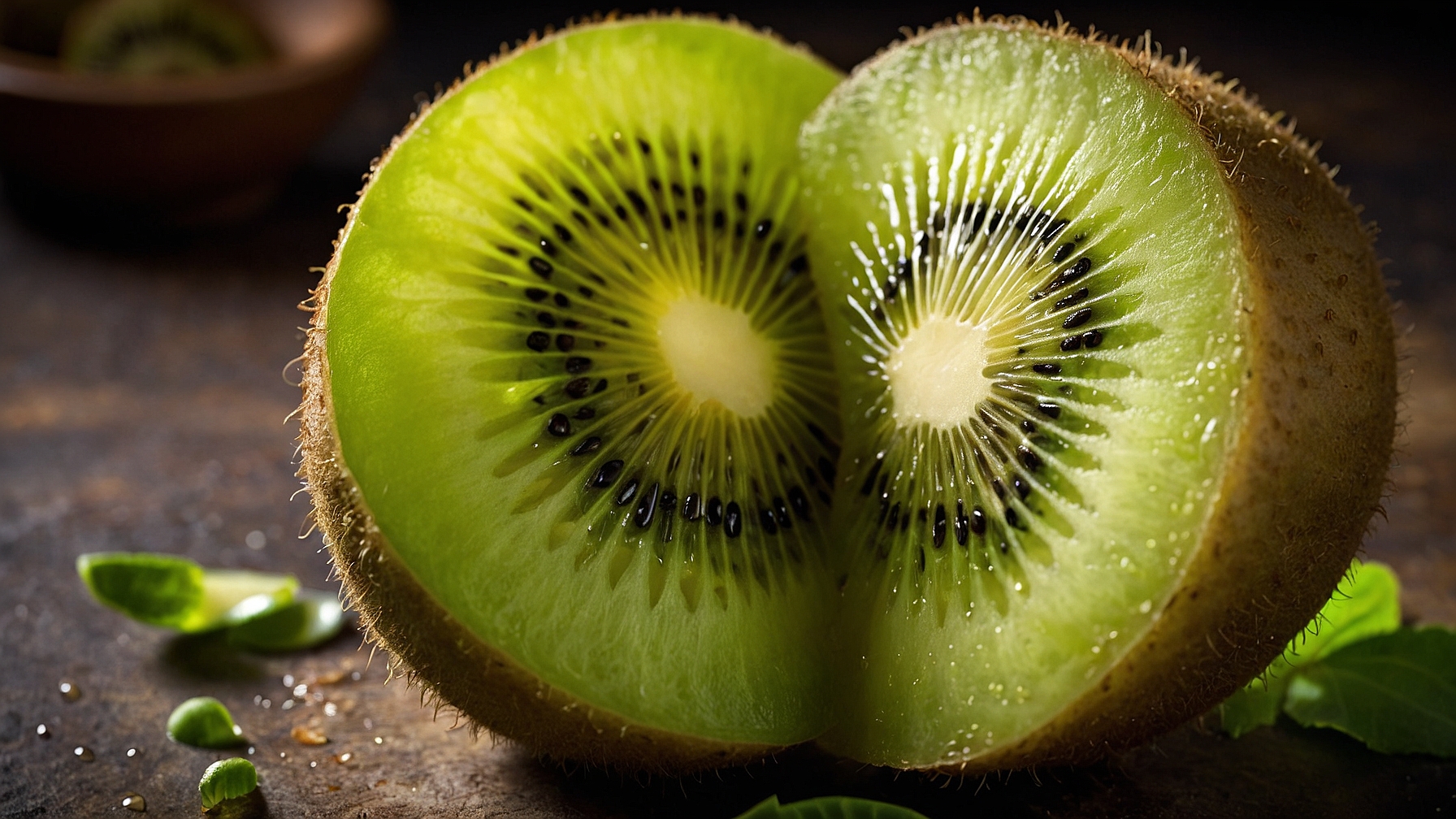
Learn three effective methods to peel kiwi: knife, spoon, or peeler. Follow precise, step-by-step instructions for efficient and safe preparation.
Ingredients
- 4 kiwis (100g / 3.5 oz each), unpeeled, firm but yielding to gentle pressure
Instructions
Method 1: Knife Peeling
- Rinse 1 kiwi under cool running water for 15 seconds, rubbing the fuzzy skin until clean.
- Place 1 kiwi horizontally on a cutting board. Trim 1/4 inch (6mm) from each end with a sharp paring knife until the white or yellow flesh is fully exposed.
- Stand the trimmed kiwi upright on one cut end on the cutting board until stable.
- Position the paring knife blade beneath the skin at the top edge of the kiwi. Slice downwards, following the fruit’s curve, removing a 1/2 to 3/4 inch (1-2 cm) wide strip of skin until it separates at the bottom.
- Rotate the kiwi 1/2 to 1 inch (1-2.5 cm). Repeat slicing downwards, following the fruit’s curve, until another skin strip removes.
- Continue rotating the kiwi and slicing skin in narrow strips, overlapping if needed, until all fuzzy brown skin is removed and smooth green or yellow flesh is visible.
- Inspect the peeled kiwi for any skin bits or “eyes.” Pare them away with the paring knife tip until the surface is clean.
Method 2: Spoon Peeling
- Rinse 1 kiwi under cool running water for 15 seconds, rubbing the fuzzy skin until clean.
- Place 1 kiwi horizontally on a cutting board. Trim 1/4 inch (6mm) from each end with a sharp paring knife until the white or yellow flesh is fully exposed.
- Hold 1 trimmed kiwi firmly. Insert a small, sturdy spoon edge just beneath the skin at one cut end, angling the spoon slightly towards the fruit’s center.
- Slide the spoon edge around the kiwi’s inner perimeter, maintaining consistent pressure and following the fruit’s curve, until the spoon travels halfway around, separating flesh from skin.
- Rotate the kiwi 180 degrees. Re-insert the spoon at the other cut end. Glide the spoon around the remaining circumference, applying consistent pressure, until it meets the start point and the flesh completely separates from the skin.
- Push the kiwi fruit out of its skin by pressing gently on one cut end until the peeled kiwi slides free.
Method 3: Vegetable Peeler Peeling
- Rinse 1 kiwi under cool running water for 15 seconds, rubbing the fuzzy skin until clean.
- Place 1 kiwi horizontally on a cutting board. Trim 1/4 inch (6mm) from each end with a sharp paring knife until the white or yellow flesh is fully exposed.
- Hold 1 trimmed kiwi firmly in your non-dominant hand, or place on a cutting board and secure with a fork if very ripe.
- Position a sharp vegetable peeler (swivel or Y-peeler) blade at the top edge of the kiwi. Press down and pull downwards, removing a 1 inch (2.5 cm) wide skin strip until it separates at the bottom.
- Rotate the kiwi 1 to 1.5 inches (2.5-4 cm). Position the peeler at the top edge and repeat downward peeling, removing another skin strip.
- Continue rotating the kiwi and peeling skin in overlapping strips with consistent, light pressure until all fuzzy brown exterior is removed and vibrant green or golden flesh is revealed.
- Examine the peeled kiwi for small skin patches. Remove any bits with the peeler or paring knife tip until the surface is smooth and clean.
Notes
- Select kiwis that are firm but yield slightly to gentle pressure. Avoid overly soft (difficult to peel) or very firm (underripe) kiwis.
- Use a sharp paring knife (3-4 inch / 7.5-10 cm blade), a sturdy teaspoon or dessert spoon, and a swivel or Y-peeler. A non-slip cutting board enhances safety.
- Use a sharp knife to minimize slips. Always cut away from your body and keep fingers clear of the blade.
- Store peeled kiwi in an airtight container in the refrigerator for 2-3 days. For longer storage, freeze slices on a baking sheet, then transfer to a freezer bag for up to 3 months.
- Kiwi skin is edible, rich in fiber, antioxidants, and Vitamin C. Peel for a smooth texture in dishes (e.g., smoothies, tarts) or if you dislike the fuzzy texture; otherwise, eat the skin for nutritional benefits.
- Serve peeled kiwi sliced in fruit salads, blended into smoothies, as a topping for yogurt or oatmeal, or as a snack.
Pro Tips for Flawless Kiwi Peeling
Ingredient Tips
- Optimal Ripeness Check:Gently squeeze the kiwi with your thumb; it should yield slightly with a 0.5-inch give, similar to a ripe avocado, indicating the flesh is firm but the skin is ready to separate easily without tearing the fruit.
- Pre-Chilling for Firmness:Refrigerate kiwis for at least 30 minutes before peeling. This firms up the delicate flesh, preventing bruising and allowing for a cleaner, more precise cut or spoon glide without mushing the fruit.
- Wash & Dry Thoroughly:Rinse kiwis under cool running water for 15 seconds to remove any loose fuzz or debris, then pat completely dry with a paper towel. A dry surface provides 100% better grip, preventing slips when using a knife or peeler.
Technique Tips
- The Precision Paring Knife Method:Using a razor-sharp 3-inch paring knife, first stabilize the kiwi by carefully slicing off approximately 1/4 inch from the top and bottom ends, creating two flat, sturdy bases. Place the kiwi upright on a cutting board. Start at the top, just beneath the skin, and gently slide the knife downwards, following the fruit’s natural curve, aiming to remove the skin in 4 to 6 thin, continuous strips. Ensure your blade maintains a shallow 20-degree angle to the fruit, removing no more than 1/16 inch of green flesh with each peel for maximum yield.
- The Small Spoon Scoop:After trimming 1/4 inch from both the stem and blossom ends, select a dessert spoon or small teaspoon (approximately 1.5 inches wide at its widest point) – avoid larger tablespoons as they remove too much flesh. Carefully insert the spoon about 1/8 inch deep, just under the skin at one of the trimmed ends. Apply gentle, consistent pressure while rotating the kiwi 360 degrees, allowing the spoon to smoothly separate the entire peel from the fruit in one continuous spiral. The goal is a perfectly smooth, unblemished kiwi with 100% of its flesh intact.
- Y-Peeler Efficiency:For larger or firmer kiwis, stabilize the fruit by trimming 1/4 inch off both ends. Hold the kiwi firmly and use a swivel-blade Y-peeler, applying light, even pressure in 3-4 long, downward strokes from top to bottom, removing the skin in wide, clean strips. This method reduces the number of passes, minimizing skin contact and fuzz irritation.
- Blanching for Batch Peeling:Bring a pot of water to a rolling boil. Carefully immerse kiwis in the boiling water for exactly 15 seconds using a slotted spoon, then immediately transfer them to an ice bath for 30 seconds. The hot-cold shock makes the skin visibly loosen; it will then slide off with minimal effort, often in 1-2 pieces, ideal for preparing 3 or more kiwis quickly.
- Batch Prep Stability:When peeling 4 or more kiwis with a knife or spoon, use a non-slip cutting board and consider wearing a mesh glove or thin nitrile glove on your non-dominant hand for improved grip and safety. This provides 200% more stability for slippery fruit and prevents hand fatigue during extended peeling sessions.
Common Issues
- Too Much Flesh Removed:If you consistently peel away excessive green flesh (more than 1/8 inch), your knife angle is too steep or your spoon insertion too deep. Adjust your knife to a shallower 20-degree angle relative to the fruit’s surface, or for the spoon method, ensure you only insert the spoon approximately 1/8 inch deep, feeling for the slight resistance of the skin and not cutting into the fruit.
- Fuzzy Skin Irritation:To prevent skin irritation from the kiwi fuzz (a common issue for sensitive hands), wear thin kitchen gloves or nitrile gloves during the entire peeling process. If irritation occurs, wash hands immediately with soap and cold water for 60 seconds to neutralize the mild enzymes.
- Under-ripe, Difficult-to-Peel Kiwi:If your kiwi feels rock-hard and the skin is stubbornly attached, it’s under-ripe. Do not force peeling. Instead, place it in a paper bag with a ripe banana or apple for 1-3 days at room temperature (around 70°F/21°C) to accelerate ripening until it yields to a gentle 0.5-inch squeeze.
Common Mistakes to Avoid When Peeling Kiwi
Common Mistakes
- Peeling an underripe kiwi:
- The skin adheres tightly to the firm flesh, making clean separation difficult and often leading to flesh loss. Avoid peeling kiwis that feel hard to the touch. Choose fruit that yields slightly to gentle thumb pressure, similar to a ripe avocado, but isn’t soft or mushy. If underripe, allow them to ripen at room temperature for 3-5 days, or in a paper bag with an apple for 1-2 days until they soften sufficiently.
- Losing too much flesh with the peel:
- This occurs from using a dull peeler, applying excessive force, or attempting to peel with inappropriate tools. Always use a sharp, thin-bladed vegetable peeler (a Y-peeler or swivel peeler is ideal) or a small, sharp paring knife with a blade no longer than 3 inches. Apply minimal pressure, just enough to skim off the skin. Aim to remove only a thin layer of brown skin, with only a hint of green showing.
- Mashing or bruising the fruit during peeling:
- Overripe kiwis are fragile, and too much hand pressure or an aggressive peeling motion can easily damage the delicate flesh. Ensure the kiwi is ripe but firm enough to handle without collapsing. Support the fruit gently but firmly with your non-dominant hand. Whether using a spoon or peeler, employ gentle, consistent strokes until the skin is removed and the fruit remains intact.
- Leaving fuzzy bits on the fruit:
- This typically happens when not paying close attention to the stem and blossom ends or when the initial peeling isn’t thorough around the fruit’s contours. After initial peeling, visually inspect the kiwi, especially around its tapered ends. Use the very tip of your peeler or paring knife to meticulously scrape or trim away any remaining brown, fuzzy patches. Continue until the entire surface looks uniformly bright green and smooth, with no rough spots.
Key Techniques
- The Spoon Technique (for ripe kiwis):
- Wash the kiwi thoroughly. With a small paring knife (approx. 2.5-inch blade), carefully trim about 1/4 inch off each end of the kiwi, creating flat surfaces and exposing the inner white core. Now, take a sturdy dessert spoon (bowl width around 1.5 inches). Insert the spoon just under the skin at one trimmed end. Gently slide the spoon around the entire circumference of the kiwi, staying as close to the skin as possible. Rotate the kiwi with your free hand while guiding the spoon until the entire core of green flesh separates cleanly from the skin, leaving the skin in one intact piece.
- The Peeler Technique (for firm-ripe kiwis):
- Wash the kiwi. Hold the kiwi securely in your non-dominant hand, or place it on a clean cutting board for stability. Using a sharp Y-peeler or swivel peeler, start at one end of the kiwi. Apply light, consistent pressure and peel strips downwards, following the natural curve of the fruit. Overlap each stroke slightly to ensure complete coverage. Continue rotating the kiwi and peeling until all the fuzzy brown skin is removed and the bright green flesh is fully exposed and smooth, without any remaining brown patches. This method works best when the kiwi is firm enough to withstand peeling pressure.
- The Paring Knife Technique (for maximum precision):
- After washing the kiwi, use a small, sharp paring knife (blade length 2-3 inches) to carefully trim off about 1/4 inch from both the stem and blossom ends, creating flat bases. Stand the kiwi upright on one of these flat ends. Holding the kiwi steady, position the knife blade just beneath the skin at the top. With a gentle downward slicing motion, carefully follow the curve of the fruit, removing thin strips of skin. Rotate the kiwi systematically after each strip until all the brown, fuzzy exterior is removed, revealing the vibrant green flesh beneath. This technique offers the most control, ensuring minimal waste.