
Irresistibly Chewy Snickerdoodle Cookies: A Classic Comfort
This recipe offers the definitive method for achieving irresistibly chewy Snickerdoodle cookies, perfectly soft with that signature crinkled top.
The straightforward process uses 9 common pantry ingredients and requires only 20 minutes of active preparation before baking.
These classic cookies are excellent for holiday platters, bake sales, or as a comforting treat alongside a hot beverage.
Irresistibly Chewy Snickerdoodle Cookies
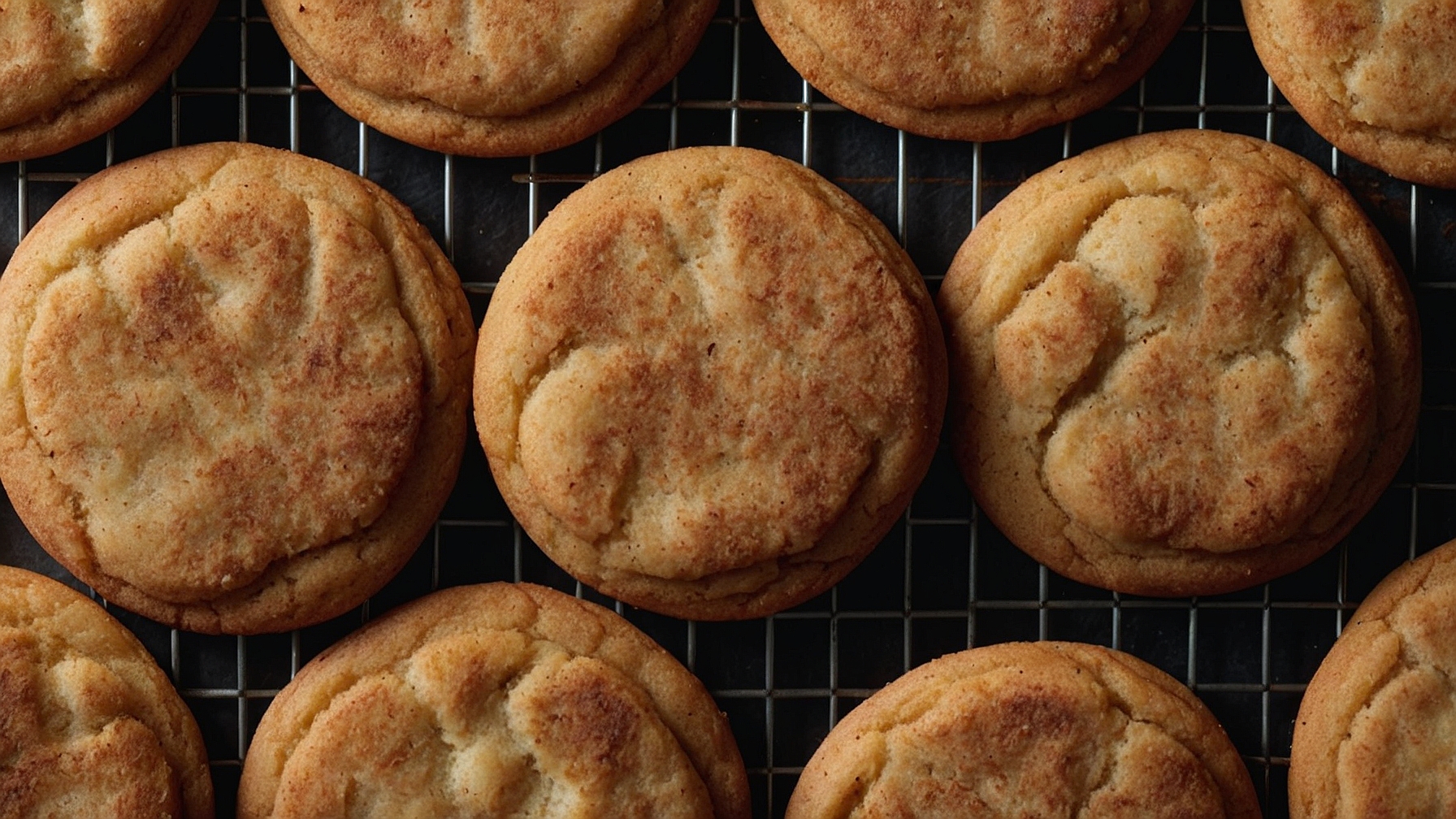
Bake chewy, cinnamon-sugar coated snickerdoodle cookies using precise ingredient measurements and step-by-step instructions.
Ingredients
For the Cookies
- 2 ¾ cups (340g) all-purpose flour, sifted
- 2 teaspoons (10g) cream of tartar
- 1 teaspoon (5g) baking soda
- ½ teaspoon (3g) fine sea salt
- 1 cup (226g) unsalted butter, softened to room temperature
- 1 ½ cups (300g) granulated sugar
- 2 large eggs, at room temperature
- 1 ½ teaspoons (7.5ml) pure vanilla extract
For the Cinnamon-Sugar Coating
- ¼ cup (50g) granulated sugar
- 2 tablespoons (14g) ground cinnamon
Instructions
- In a medium bowl, combine 2 ¾ cups (340g) sifted all-purpose flour, 2 teaspoons (10g) cream of tartar, 1 teaspoon (5g) baking soda, and ½ teaspoon (3g) fine sea salt. Whisk for 30 seconds until fully combined. Set aside.
- In a large mixing bowl, beat 1 cup (226g) softened unsalted butter and 1 ½ cups (300g) granulated sugar with an electric mixer on medium speed for 2-3 minutes. Beat until the mixture is light, fluffy, and pale yellow. Scrape bowl sides with a spatula.
- Add 2 large eggs to the creamed mixture, one at a time. Beat for 30 seconds after each egg until no visible yolk remains. Stir in 1 ½ teaspoons (7.5ml) pure vanilla extract for 15 seconds until combined.
- Add the dry flour mixture to the wet ingredients in three additions. Mix on low speed for 20-30 seconds after each addition until the flour is combined and no dry streaks remain.
- Cover the dough bowl with plastic wrap. Refrigerate for 30 minutes to 2 hours until firm enough to roll into balls.
- While dough chills, preheat oven to 375°F (190°C). Position oven racks in upper and lower thirds. Line two large baking sheets with parchment paper or silicone mats. In a small bowl, combine ¼ cup (50g) granulated sugar and 2 tablespoons (14g) ground cinnamon. Stir with a fork until mixed.
- Scoop level tablespoonfuls (1.5 oz / 40g each) of chilled dough. Roll each portion between palms to form balls.
- Roll each dough ball in the cinnamon-sugar mixture until coated. Place coated balls 2 inches (5cm) apart on prepared baking sheets.
- Bake one sheet for 10-12 minutes in the preheated oven. Rotate the baking sheet at 5-6 minutes. Cookies are ready when edges are set and lightly golden, and centers appear slightly soft and puffy.
- Remove baking sheets from oven. Cool cookies on baking sheets for 5 minutes. Transfer to a wire rack to cool completely for 20-30 minutes.
Notes
- Chewy Texture: Remove cookies from oven when edges are set and centers appear slightly soft/underbaked.
- Dough Storage: Store coated, unbaked dough balls in freezer for up to 3 months. Arrange balls on a baking sheet, freeze until solid, then transfer to an airtight bag. Bake frozen dough directly, adding 2-3 minutes to baking time.
- Cookie Storage: Store cooled cookies in an airtight container at room temperature for up to 5 days. Freeze cooled cookies for up to 3 months; thaw at room temperature before serving.
- Cream of Tartar: Do not substitute cream of tartar with baking powder. Substitution alters flavor and texture.
Pro Tips for Perfectly Chewy Snickerdoodles
Ingredient Tips
- Butter Temperature:Use 1 cup (2 sticks) unsalted butter, softened to precisely 68-70°F (20-21°C). At this specific temperature, a finger press leaves a slight indentation without melting through. This ensures optimal emulsification with sugar for a tender, chewy crumb.
- Sugar Blend:Combine 1 1/2 cups granulated sugar with 1/4 cup packed light brown sugar in the dough mixture. The brown sugar’s molasses content significantly boosts moisture retention, directly contributing to a prolonged chewiness and preventing the cookies from quickly drying out.
- Extra Egg Yolk:Incorporate 1 large egg plus 1 additional large egg yolk at room temperature. The extra yolk, rich in fat and lecithin, enhances the dough’s richness and acts as an excellent emulsifier, binding ingredients for a more cohesive, tender, and noticeably chewier cookie texture.
- Fresh Cream of Tartar:Ensure your cream of tartar is fresh, ideally purchased within the last 6 months. Use 1 1/2 teaspoons for its dual role: it provides the characteristic tangy flavor and uniquely prevents sugar crystallization, which is crucial for maintaining a soft, pliable chew rather than a brittle texture.
- Precise Flour Measurement:Measure 2 1/2 cups all-purpose flour using the “spoon and level” method—gently spoon flour into the measuring cup until overflowing, then level off with a straight edge. This prevents adding an excess of 1/4 cup or more of flour, a common culprit for dry, cakey snickerdoodles lacking their signature chew.
Technique Tips
- Creaming Butter & Sugar:Beat the softened butter and sugars for a full 3-4 minutes on medium-high speed (stand mixer setting 4-5) until the mixture is visibly light, fluffy, and pale yellow. This process incorporates crucial air, creating a tender, open crumb structure that supports chewiness, preventing a dense, heavy cookie.
- Chilling the Dough:Refrigerate the prepared cookie dough for a minimum of 45 minutes, or ideally up to 2 hours, before shaping. This allows the flour to fully hydrate and the butter to firm up, preventing excessive spreading during baking and resulting in thicker, chewier cookies with enhanced flavor.
- Portioning with Precision:Use a 1.5-inch (1.5 tablespoon) cookie scoop to ensure uniform 40-gram dough balls. Consistent sizing is paramount for even baking across the batch; varying sizes will lead to some cookies being overbaked (dry) and others potentially underbaked.
- Generous Coating Application:Roll each dough ball thoroughly in the cinnamon-sugar mixture, applying gentle but firm pressure for 5-7 seconds. Ensure an even coating of at least 1/8 inch thickness on all sides; this creates the signature crackled top and adds a delightful textural crunch.
- Strategic Baking Temperature & Time:Bake cookies at 375°F (190°C) for exactly 8-9 minutes. Remove them when the edges are just set and lightly golden brown, but the centers still appear slightly puffy and soft. This slight underbaking is the secret to a supremely chewy center that won’t become hard upon cooling.
- Rest on Hot Sheet:Immediately after removing from the oven, let the cookies cool on the baking sheet for precisely 5 minutes. The residual heat continues to gently cook the cookies without drying them out, allowing their structure to set while maintaining their soft, chewy interior.
Common Issues
- Cookies Are Too Flat:If your snickerdoodles spread excessively thin, confirm your butter wasn’t overly soft (above 72°F / 22°C) and chill the dough for a minimum of 60 minutes. Ensure flour is precisely measured; an extra 1/4 cup can provide necessary structure. Avoid baking on a warm sheet pan.
- Cookies Are Cakey or Dry:This commonly stems from overmixing flour or overbaking. Mix dry ingredients into wet until just combined, typically no more than 15 seconds after flour addition. Bake for the shortest recommended time (e.g., 8 minutes at 375°F) until edges are set, centers still soft and slightly puffy.
- Lack of Characteristic Tangy Flavor:If the signature snickerdoodle tang is weak, check the freshness of your cream of tartar; it loses potency significantly after 3-4 months. Ensure you’re using the full 1 1/2 teaspoons called for in the recipe for maximum impact.
- Cinnamon-Sugar Coating Falls Off:To ensure the coating adheres, your dough balls must be adequately chilled (refrigerated at least 45 minutes) and slightly tacky, not greasy. Roll them immediately after shaping, applying firm pressure for 5 seconds per side to embed the coating thoroughly onto the surface.
Common Snickerdoodle Mistakes to Avoid for Irresistibly Chewy Cookies
Common Mistakes
- Over-measuring Flour:
- Scooping flour directly compacts it, adding excess, which leads to dry, dense cookies instead of chewy ones.
- Exact Fix: Fluff flour with a fork, then gently spoon it into a dry measuring cup until overflowing. Level off the top with the flat edge of a knife. This ensures 1 cup of all-purpose flour weighs approximately 120-125 grams.
- Over-creaming Butter and Sugar:
- Incorporating too much air can result in cakey cookies or excessive spreading, losing the desired chew.
- Exact Fix: Cream softened butter (at 68°F / 20°C) and granulated sugar with an electric mixer on medium speed for precisely 2-3 minutes. Stop when the mixture is visibly pale yellow, light, and fluffy, but before it appears whipped.
- Overbaking the Cookies:
- The primary cause of hard, dry snickerdoodles, as cookies continue to cook from residual heat after removal.
- Exact Fix: Bake at 375°F (190°C) for 9-11 minutes. Remove from the oven when the edges are set and lightly golden, but the centers still look slightly underbaked, puffy, and soft.
- Skipping the Dough Chill:
- Warm dough spreads too rapidly, yielding thin, crispy cookies. Chilling solidifies butter and allows flavors to deepen for a chewy result.
- Exact Fix: After rolling dough balls and coating, chill them on the baking sheet in the refrigerator for a minimum of 15-20 minutes. For maximum chewiness and structure, an ideal chill is 1 hour before baking.
Key Techniques for Ultimate Chewiness
- Achieving Perfect Butter Temperature:
- Ensure unsalted butter is properly softened to 68°F (20°C). It should be pliable with a slight indent when gently pressed, but not greasy or melted. This temperature is vital for proper emulsification and a consistently chewy texture.
- The Egg Addition for Smooth Dough:
- Add large eggs one at a time to the creamed mixture. Beat on medium speed for 30 seconds after each, scraping the bowl, until fully incorporated with no yellow streaks. This emulsified base is essential for chewiness.
- Mastering the Cinnamon-Sugar Coating:
- For signature look and flavor, combine 1/4 cup granulated sugar with 2 teaspoons ground cinnamon. Roll each 1.5-tablespoon dough ball thoroughly, ensuring a generous, even layer completely covers its surface. This delivers characteristic tang and helps prevent cracking.
- The “Underbaked” Chewy Cookie Reveal:
- Bake at 375°F (190°C) for 9-11 minutes. Look for edges that are set and lightly golden, while centers remain slightly puffed, soft, and appear almost underbaked. Cool on the baking sheet for 5 minutes to set without hardening before transferring to a wire rack.