
The Best Sugar Cookies: Your Go-To Recipe for Perfect Treats
This sugar cookie recipe consistently produces perfectly shaped, soft-baked cookies that hold their form beautifully, making them ideal for decorating without spreading.
It uses just 7 basic pantry ingredients, ensuring an accessible and quick preparation.
These classic cookies are excellent for holiday celebrations, school events, or any occasion requiring a delightful, customizable treat. The dough is easy to roll and cut, making it perfect for intricate cookie cutters with no need for extensive chilling. For a tender, melt-in-your-mouth texture, bake until the edges are just set, typically 8-10 minutes. Ensure even baking by rotating sheets halfway through and use softened butter with precisely measured flour for optimal results. Decorate with royal icing for crisp designs or a simple buttercream for a softer finish. Baked cookies store well in an airtight container at room temperature for up to five days.
The Best Sugar Cookies
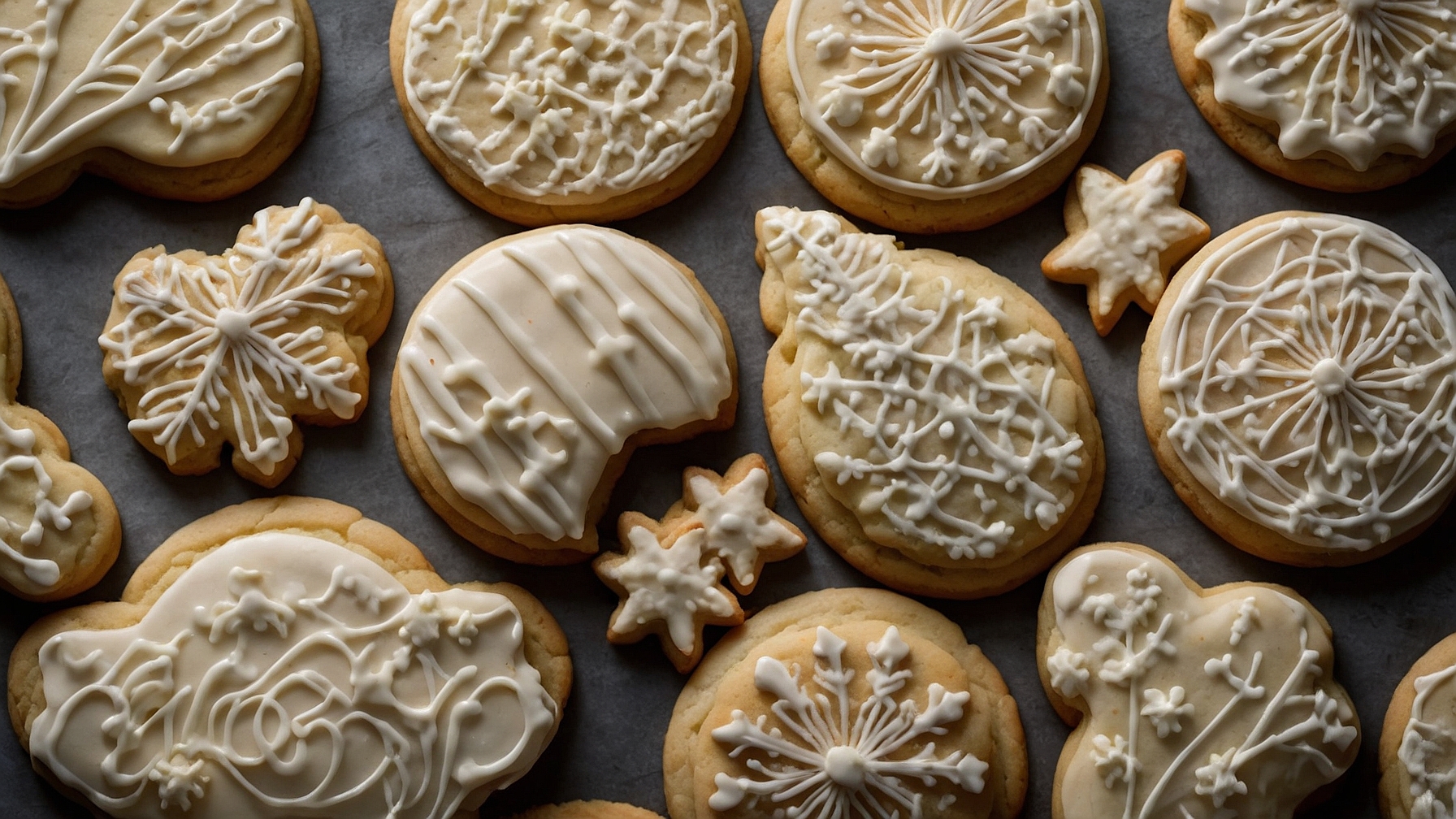
Bake sugar cookies with precise measurements, step-by-step instructions, and essential timing for optimal results.
Ingredients
- 2 ½ cups (300g) all-purpose flour, spooned and leveled
- 1 teaspoon (5g) baking powder
- ½ teaspoon (3g) fine grain salt
- 1 cup (226g) unsalted butter, softened to room temperature
- 1 ½ cups (300g) granulated sugar
- 2 large eggs, at room temperature
- 2 teaspoons (10ml) pure vanilla extract
- 1 teaspoon (5ml) almond extract, optional
For the Royal Icing (Optional)
- 4 cups (480g) powdered sugar (confectioners’ sugar), sifted
- 3 tablespoons (45ml) meringue powder
- ½ teaspoon (2.5ml) pure vanilla extract
- ½ teaspoon (2.5ml) almond extract, optional
- ½ cup (120ml) warm water, plus more as needed
- Food coloring gels, various colors, optional
Instructions
- Combine: In a medium bowl, whisk together 2 ½ cups (300g) all-purpose flour, 1 teaspoon (5g) baking powder, and ½ teaspoon (3g) fine grain salt until thoroughly combined and lump-free. Set aside.
- Cream: In a stand mixer bowl (paddle attachment) or large bowl (handheld electric mixer), cream 1 cup (226g) softened unsalted butter and 1 ½ cups (300g) granulated sugar on medium-high speed for 3-4 minutes. Scrape down bowl sides as needed until light, fluffy, and pale yellow.
- Beat: Add 2 large room-temperature eggs one at a time, beating thoroughly after each addition until just combined. Mix in 2 teaspoons (10ml) pure vanilla extract and 1 teaspoon (5ml) almond extract (if using) for 30 seconds until incorporated and no streaks of egg remain.
- Mix: Gradually add dry ingredient mixture to wet ingredients in three additions. Mix on low speed after each addition until just combined; stop mixing when no dry streaks of flour are visible.
- Chill: Divide dough in half. Flatten each half into a disc, wrap tightly in plastic wrap, and refrigerate for 60 minutes, or up to 2 days, until dough is firm enough to roll without sticking.
- Preheat: Preheat oven to 375°F (190°C) with racks in middle positions. Line several large baking sheets with parchment paper or silicone baking mats. Do not grease pans; greasing causes cookies to spread excessively.
- Roll and Cut: On a lightly floured surface (using 1-2 tablespoons flour), roll out one disc of chilled dough to ¼ inch (6mm) thickness. Use cookie cutters to cut shapes and transfer to prepared baking sheets, leaving 1 inch (2.5cm) between cookies. Reroll dough scraps once, cutting additional cookies until all dough is used.
- Bake: Bake cookies one sheet at a time for 8-10 minutes. Edges will be lightly golden, and centers will appear set, no longer glossy. Do not brown significantly to ensure softer cookies.
- Cool: Allow baked cookies to cool on baking sheets for 5 minutes. Transfer to a wire rack to cool completely (30 minutes) until firm to the touch. Repeat with remaining dough and cool all cookies completely before decorating.
Royal Icing Instructions (Optional)
- Whisk: In a large bowl, whisk together 4 cups (480g) sifted powdered sugar and 3 tablespoons (45ml) meringue powder until evenly combined.
- Mix: Add ½ teaspoon (2.5ml) pure vanilla extract, ½ teaspoon (2.5ml) almond extract (if using), and ½ cup (120ml) warm water to the sugar mixture. Beat on low speed with an electric mixer for 1 minute until ingredients are just combined. Increase speed to medium-high and beat for 5-7 minutes until icing is very thick, glossy, and holds stiff peaks when beaters are lifted.
- Adjust Consistency: Divide icing into separate bowls for different colors or consistencies. For “flooding” consistency (thinner icing), add warm water ½ teaspoon at a time, stirring well, until icing drips slowly from a spoon and a line drawn through it disappears in 10-15 seconds. For “outlining” consistency (thicker icing), ensure icing holds its shape when piped.
- Color: Add food coloring gels, drop by drop, mixing thoroughly after each addition until desired shade is achieved. Use food coloring gels; avoid liquid food coloring as it thins icing.
- Decorate: Transfer icing to piping bags fitted with small round tips or cut a tiny corner from a plastic bag. Outline cookies first with thicker icing, allowing it to set for 10-15 minutes. Fill outlined areas with thinner flooding icing, using a toothpick to spread icing to edges and pop air bubbles. Allow decorated cookies to dry completely at room temperature for 6-8 hours, or overnight, until icing is hard to the touch.
Notes
- Dough Handling: If dough becomes warm and sticky while rolling, return it to the refrigerator for 10-15 minutes to firm up. This prevents excessive spreading and maintains cookie shape.
- Flour Measurement: Spoon flour into measuring cup and level with a straight edge (like a knife). This prevents over-measuring, which causes dry, crumbly cookies, and ensures optimal cookie texture.
- Cookie Thickness: Maintain a consistent ¼ inch (6mm) dough thickness. Thinner cookies brown too quickly, becoming crisp. Thicker cookies bake unevenly, remaining doughy.
- Storage: Store unbaked dough in refrigerator (tightly wrapped) for up to 2 days or frozen for up to 3 months. Thaw frozen dough overnight in refrigerator before rolling. Store baked, undecorated cookies in an airtight container at room temperature for up to 1 week, or freeze for up to 3 months.
- Icing Storage: Store leftover royal icing in an airtight container in refrigerator for up to 3-4 days. Cover surface with plastic wrap (touching icing) to prevent crust formation. Stir well and adjust consistency with a few drops of water before re-using.
- Temperature Matters: Ensure butter and eggs are at true room temperature. This creates an emulsified, smooth batter, resulting in light, fluffy cookies with consistent, tender texture. Cold ingredients cause batter to curdle and result in dense cookies.
Pro Tips for Perfectly Shaped and Baked Sugar Cookies
Ingredient Tips
- Butter Temperature:Soften unsalted butter to a precise 67-70°F (19-21°C) – it should yield slightly when pressed gently with a finger, but not feel greasy or melted. This ensures proper emulsification for a tender crumb.
- Accurate Flour:Fluff all-purpose flour vigorously, then spoon it lightly into a dry measuring cup and level with a straight edge for an exact 120 grams per cup. This prevents over-packing, which can lead to dense, tough cookies.
- Room Temp Egg:Use a large egg (approx. 57g) at room temperature – let it sit out for 30-45 minutes, or submerge in a bowl of warm (not hot) water for 5 minutes. This aids emulsification for smoother, more cohesive dough.
- Powdered Sugar Swap:Substitute 1/4 cup (30g) of the granulated sugar with an equal amount of powdered sugar in your dough. The cornstarch helps inhibit gluten development, creating a noticeably softer, melt-in-your-mouth cookie.
Technique Tips
- Creaming Time:Cream butter and both sugars for a full 3-4 minutes on medium-high speed until the mixture is light, fluffy, and visibly pale in color. This incorporates essential air for a delicate, crisp-edged texture.
- Gentle Flour Mix:Add flour mixture to wet ingredients and mix on the lowest speed for only 30-45 seconds, stopping immediately when no dry streaks are visible. Overmixing develops gluten, leading to tough, less tender cookies.
- Crucial Chilling:Divide dough into two 1/2-inch thick discs, wrap tightly, and chill for a minimum of 90 minutes. This firms the butter, prevents spreading during baking, and makes the dough much easier to roll consistently.
- Uniform Rolling:Roll dough to a precise 1/4-inch thickness between two sheets of parchment paper. Using a rolling pin with adjustable guides ensures even thickness across all cookies, leading to uniform baking and consistent appearance.
- Efficient Cutting:Cut cookies as close together as possible, leaving no more than 1/4 inch between each cut. Maximize your first roll yield to avoid excessive re-rolling of scraps, which can overwork the dough and lead to tougher cookies.
- Baking Sweet Spot:Bake at a precise 375°F (190°C) for 8-10 minutes, rotating the baking sheet 180 degrees halfway through. Cookies are done when the edges are set and barely golden, with centers still appearing slightly soft, not brown.
Common Issues
- Spreading Cookies:If cookies spread excessively, increase the total flour by 1-2 tablespoons (12-24g) during mixing, or chill dough for an additional 30 minutes (total 120 minutes) to firm the butter further. Ensure your butter wasn’t too soft initially.
- Tough/Crumbly Texture:For tough cookies, ensure you didn’t overmix the flour (max 45 seconds). If crumbly, check your butter temperature (should be 67-70°F) and consider adding 1 tablespoon of whole milk (15ml) to the dough with the egg for moisture.
- Uneven Baking:To combat uneven baking, invest in an oven thermometer to verify your oven’s true 375°F (190°C) temperature. Always roll dough to a consistent 1/4-inch thickness and rotate the baking sheet 180 degrees at the 5-minute mark of baking.
- Sticking Cutters:If cookie cutters stick persistently, dip them into a shallow bowl of all-purpose flour, tapping off excess, between each cut. Alternatively, ensure your dough has been chilled below 40°F (4°C) for a minimum of 60 minutes to be firm enough.
How to Store Sugar Cookies & Creative Variations
Refrigerator Storage
Duration: 5-7 days in airtight container
Store “The Best Sugar Cookies” in an airtight glass or heavy-duty plastic container. Layer with parchment paper to prevent sticking, especially if frosted. They remain fresh for 5-7 days. Expect a slight firming of the cookie texture; frosting may become firmer or soften slightly. Unfrosted cookies retain their crisp-chewy balance for 3-4 days but may dry out marginally after day 5, losing some initial tender crumb.
Freezer Storage
Duration: 2-3 months
For longer preservation, the freezer is ideal. Individually wrap unfrosted cookies tightly in plastic wrap, then place in a freezer-safe airtight container or heavy-duty freezer bag. For frosted cookies, flash freeze until frosting is firm (30-60 minutes), then wrap. Store for up to 2-3 months. Thaw in the refrigerator overnight or at room temperature for 1-2 hours. Expect a slight softening of crisp edges; if frosted, condensation may form, which usually evaporates, though frosting may lose some pristine smoothness.
Reheating Instructions
Reheating sugar cookies refreshes their texture and warmth, especially if chilled or frozen.
- Oven:Preheat to 300°F. Place cookies on a baking sheet and heat for 5-7 minutes, until edges are slightly crisp and the center is warm and tender.
- Toaster Oven:Preheat to 275°F. Heat for 3-5 minutes, watching closely to prevent over-browning.
- Microwave:For quickest reheat, place one or two cookies on a microwave-safe plate and heat on high for 10-15 seconds.
Rating Reheating Methods: The oven works best for a wonderfully soft, just-baked texture with crisp edges. The toaster oven is a good alternative for small batches. The microwave is acceptable for speed but may compromise texture, making cookies overly soft and losing chewiness.
Make-Ahead Tips
Making “The Best Sugar Cookies” ahead is a fantastic strategy. Prep various components:
- Cookie Dough: Prepare dough, wrap tightly, store in an airtight container in the refrigerator for 3-5 days, or freeze for 1-2 months. Thaw frozen dough in refrigerator overnight. Alternatively, roll/cut shapes, then freeze raw cut-outs; bake from frozen, adding a few extra minutes.
- Baked, Unfrosted Cookies: Bake, cool completely, then store in an airtight container at room temperature for up to 3-4 days, or in the refrigerator for 5-7 days. Freezing is also an option for 2-3 months. This allows baking in advance and frosting closer to serving.
- Frosting (Royal Icing/Buttercream): Most can be made several days in advance and refrigerated in an airtight container. Bring to room temperature and re-whip if needed before piping. For best results, frost cookies no more than 1-2 days before serving, as refrigeration can dull royal icing sheen or firm buttercream significantly.