
Sticky Beef Noodles: Your New Weeknight Obsession!
This Sticky Beef Noodles recipe delivers a restaurant-quality meal quickly, making it ideal for busy weeknights and satisfying cravings.
It comes together in under 30 minutes, featuring tender beef strips and crisp vegetables tossed with noodles in a rich, sweet, and savory sauce.
The key technique involves a quick stir-fry that ensures perfectly cooked beef and vibrant vegetables without overcooking.
A simple yet potent sauce, crafted from common pantry ingredients like soy sauce, honey, and ginger, coats every element, creating an addictive sticky texture.
This dish provides a complete meal on its own, offering a perfect balance of protein, carbohydrates, and fresh produce.
It’s an accessible recipe that promises maximum flavor with minimal effort, suitable for both novice cooks and seasoned home chefs seeking efficiency.
Serve it hot for a comforting and hearty dinner that will become a regular feature in your meal rotation.
Sticky Beef Noodles
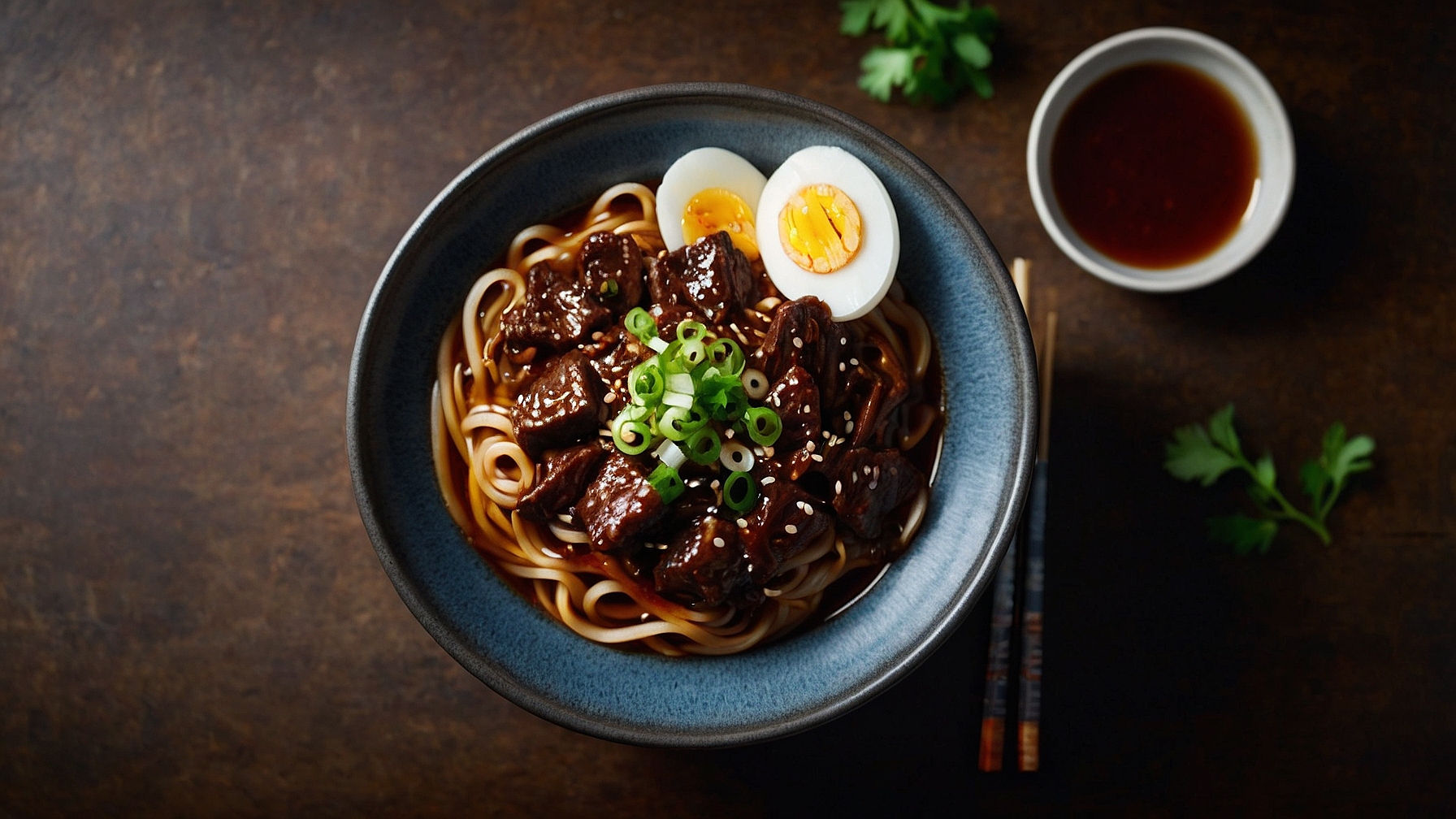
Tender beef strips in savory-sweet sauce, tossed with noodles and vegetables.
Ingredients
For the Beef & Marinade:
- 1.5 lbs (680g) flank steak or sirloin, thinly sliced against the grain
- 2 tbsp (30ml) soy sauce
- 1 tbsp (15ml) rice vinegar
- 1 tbsp (15ml) cornstarch (cornflour), dissolved in 2 tbsp (30ml) cold water
- 1 tsp (5ml) toasted sesame oil
- 0.5 tsp (2.5g) freshly ground black pepper
For the Noodles:
- 12 oz (340g) dried egg noodles or lo mein noodles
For the Sticky Sauce:
- 0.5 cup (120ml) low-sodium chicken or beef broth
- 0.25 cup (60ml) soy sauce
- 2 tbsp (30ml) oyster sauce
- 2 tbsp (30ml) packed brown sugar
- 1 tbsp (15ml) rice vinegar
- 1 tbsp (15ml) cornstarch (cornflour), dissolved in 2 tbsp (30ml) cold water
- 1 tsp (5ml) toasted sesame oil
- 1 tsp (5g) fresh ginger, finely grated
- 2 cloves garlic, peeled and minced
For the Stir-Fry:
- 2 tbsp (30ml) vegetable oil, divided
- 1 large onion, peeled and thinly sliced
- 1 large red bell pepper, cored, seeded, and thinly sliced
- 1 large carrot, peeled and julienned
- 4 oz (115g) snap peas or snow peas, trimmed
For Garnish:
- 2 tbsp (30g) green onions (scallions), thinly sliced
- 1 tbsp (15g) toasted sesame seeds
- Red pepper flakes
Instructions
- Combine thinly sliced beef, 2 tbsp (30ml) soy sauce, 1 tbsp (15ml) rice vinegar, 1 tbsp (15ml) dissolved cornstarch, 1 tsp (5ml) sesame oil, and 0.5 tsp (2.5g) black pepper in a medium bowl. Toss to coat beef evenly. Cover and refrigerate for 20-30 minutes.
- Cook dried egg noodles in a large pot of boiling, salted water for 5-7 minutes until al dente. Drain thoroughly in a colander. Rinse with cold water. Set aside.
- In a small bowl, whisk chicken broth, 0.25 cup (60ml) soy sauce, oyster sauce, brown sugar, 1 tbsp (15ml) rice vinegar, 1 tbsp (15ml) dissolved cornstarch, 1 tsp (5ml) sesame oil, grated ginger, and minced garlic for 30 seconds until brown sugar dissolves and mixture is smooth. Set aside.
- Heat 1 tbsp (15ml) vegetable oil in a large wok or 12-inch (30cm) skillet over medium-high heat until shimmering. Add half of marinated beef in a single layer. Sear for 2-3 minutes per side until browned and cooked through. Remove beef to a plate. Repeat with remaining beef. Set aside.
- Add remaining 1 tbsp (15ml) vegetable oil to the wok over medium-high heat. Add sliced onion, sliced red bell pepper, and julienned carrot. Stir-fry for 3-4 minutes until vegetables soften. Add trimmed snap peas or snow peas. Stir-fry for 1-2 minutes until vibrant green and tender-crisp.
- Return seared beef to the wok with sautéed vegetables. Whisk prepared sauce. Pour sauce over beef and vegetables. Bring to a simmer, stirring, and cook for 1-2 minutes until sauce thickens and becomes glossy.
- Add drained noodles to the wok with beef, vegetables, and sauce. Toss all ingredients with tongs for 1-2 minutes until coated and heated through.
- Divide Sticky Beef Noodles into serving bowls. Garnish with sliced green onions, toasted sesame seeds, and red pepper flakes if desired. Serve.
Notes
- Slice beef thinly against the grain for tenderness. Marinate for 30 minutes. Marinating up to 1 hour further tenderizes beef.
- Cook beef in batches in a hot wok or skillet to sear, not steam. Steaming leads to tough meat.
- Substitute or add vegetables: broccoli florets (add with carrots), mushrooms (add with onion), or baby corn (add with snap peas). Adjust cooking times.
- If sauce is too thick, thin with 1 tbsp (15ml) broth or water. If sauce is too thin, simmer 1 minute more, or whisk in 0.5 tsp (2.5g) cornstarch with 1 tbsp (15ml) cold water.
Serving Suggestions
Serve on its own, or with a side salad and Asian vinaigrette.
Nutritional Information (Estimated per serving)
- Calories: 620 kcal
- Protein: 45g
- Fat: 20g
- Saturated Fat: 6g
- Carbohydrates: 65g
- Fiber: 5g
- Sugar: 15g
- Sodium: 1400mg
Pro Tips for Perfect Sticky Beef Noodles
Ingredient Tips
- Beef Cut and Slice:Choose flank steak or sirloin. Slice it thinly, against the grain, into 1/4-inch strips to ensure maximum tenderness and a quicker cook time, allowing it to remain fork-tender.
- Noodle Selection:Opt for fresh, wide wheat noodles (e.g., Shanghai noodles or fresh chow mein) that are 1/8 to 1/4 inch thick. Their wider surface area allows for optimal sauce adhesion and a satisfying chew.
- Aromatics Precision:Finely mince your garlic (about 1.5 teaspoons) and ginger (about 1.5 teaspoons) to maximize their flavor release into the hot oil within 30-45 seconds, preventing larger pieces from burning.
- Balanced Soy Sauce Blend:Combine dark soy sauce and light soy sauce in a 1:2 ratio (e.g., 1 tablespoon dark soy to 2 tablespoons light soy) for a rich, appealing color and balanced salty depth without overwhelming the dish.
- Cornstarch Slurry Ratio:Prepare your cornstarch slurry with 1.5 tablespoons of cornstarch mixed thoroughly with 3 tablespoons of cold water. This specific ratio ensures a smooth, lump-free thickening agent for a glossy, sticky sauce.
Technique Tips
- Beef Marinade Time:Marinate the beef for a minimum of 30 minutes, or for up to 2 hours in the refrigerator. This brief period is essential for tenderizing the meat and infusing it with foundational flavor before cooking.
- High-Heat Searing for Beef:Sear beef in small batches (approx. 4-5 strips at a time) in a screaming hot wok or cast-iron skillet with 1 tablespoon oil for 60-90 seconds per side. This ensures a deep, golden brown crust without overcooking.
- Noodle Al Dente Cook:Cook fresh noodles in rapidly boiling water for only 2-3 minutes, or until just al dente. They should have a slight chew, as they will continue to cook slightly when tossed with the hot sauce.
- Sauce Thickening Pace:Once the cornstarch slurry is added, simmer the sauce over medium heat for 2-3 minutes, stirring constantly. It should achieve a beautiful glossy sheen and be thick enough to slide off the back of a spoon.
- Vigorous Final Toss:Combine the cooked noodles and seared beef with the thickened sauce, tossing vigorously for 1-2 minutes over medium heat. This ensures every single noodle strand is evenly coated and irresistibly sticky.
Common Issues
- Beef is Tough or Dry:Ensure beef is sliced against the grain into 1/4-inch pieces. Sear each batch quickly for no more than 90 seconds per side at very high heat, then remove immediately. Reintroduce only at the very end to prevent overcooking.
- Sauce is Too Thin:Whisk 1 teaspoon cornstarch with 2 teaspoons cold water. Gradually add half of this extra slurry to the simmering sauce, stirring for 30 seconds. If still too thin, add the remaining slurry, stirring until it reaches a glossy, spoon-coating consistency.
- Sauce is Too Thick or Clumpy:Stir in 1 to 2 tablespoons of hot water or low-sodium beef broth, one tablespoon at a time, until the sauce achieves a smooth, pourable yet sticky consistency that still beautifully coats the back of a spoon.
- Noodles are Soggy or Clumped:Cook noodles for exactly 2-3 minutes until just al dente. After draining thoroughly, immediately toss them with 1 teaspoon of sesame oil. This prevents sticking and ensures individual strands for optimal sauce absorption.
- Dish Lacks Flavor Depth:Confirm beef is seared until deeply golden brown. For an extra layer of umami, add 1/2 teaspoon of mushroom powder or 1 tablespoon of oyster sauce to your sauce mixture before thickening with the cornstarch slurry.
How to Store and Reheat Sticky Beef Noodles
Sticky Beef Noodles, with their luscious sauce and tender beef, make for fantastic leftovers when stored and reheated correctly. While fresh is always best, proper techniques can ensure your second meal is nearly as delightful as the first, preserving flavor and preventing undesirable texture changes.
Refrigerator Storage
Duration: 3-4 days in airtight container
To maximize freshness and safety, transfer any leftover Sticky Beef Noodles into an airtight glass or BPA-free plastic container as soon as they have cooled to room temperature (within two hours of cooking). Store the container in the coldest part of your refrigerator. Over these 3-4 days, the noodles will continue to absorb the rich, savory sauce, often becoming softer and more saturated, which some enjoy. The sauce itself may thicken and lose a touch of its original vibrant sheen and glossiness. The beef will retain its deep flavor but can become slightly firmer after the first day. Quality begins to noticeably decline after day 3, with noodles potentially becoming overly soft and the sauce losing its fresh aromatic notes.
Freezer Storage
Duration: 2-3 months
Freezing Sticky Beef Noodles is a good option for longer storage, though it’s important to anticipate some texture changes. Ensure the dish is completely cooled before freezing to prevent excessive ice crystal formation. For best results, portion the noodles into individual freezer-safe, airtight containers or heavy-duty freezer bags, pressing out as much air as possible. You can also wrap portions tightly in plastic wrap before placing them in a larger freezer bag. When thawed, noodles can become somewhat mushy or break apart more easily due to water expansion during freezing. The sticky sauce might show minor signs of separation, appearing slightly oily or thinner, but usually re-emulsifies with a good stir upon reheating. The beef texture can also become a little chewier after freezing and thawing. To thaw, transfer the frozen noodles to the refrigerator for 8-12 hours, or overnight, before reheating.
Reheating Instructions
- Oven (Recommended):Preheat oven to 325°F (160°C). Spread the noodles evenly in an oven-safe dish. Add 1/4 cup of water or beef broth for every 2 servings to help rehydrate. Cover tightly with foil to prevent drying. Reheat for 15-20 minutes, or until steaming hot throughout (internal temperature 165°F/74°C). For a slightly crisper noodle or to help the sauce re-glaze, remove the foil for the last 5 minutes. This method generally works best for retaining the noodle texture and allowing the sauce to re-adhere nicely.
- Stovetop (Good Alternative):Transfer desired portion to a non-stick pan or skillet. Add 1-2 tablespoons of water or beef broth per serving. Heat over medium-low heat for 5-8 minutes, stirring frequently, until heated through and the sauce loosens and re-coats the noodles. This method is excellent for restoring moisture and ensuring even heating, especially for smaller portions.
- Microwave (Convenient but may alter texture):Place a single serving in a microwave-safe bowl. Add a tablespoon of water or broth to help rehydrate. Cover loosely (or use a microwave-safe lid) and microwave on high for 2-3 minutes, stirring halfway through, until thoroughly hot (internal temperature 165°F/74°C). While quick, the microwave can sometimes result in softer, less al dente noodles, and the sauce may lose some of its original sticky consistency.
Rating: The oven method works best for retaining the desired texture of both noodles and beef, and for allowing the sauce to become glossy again. The stovetop is a good alternative, especially for smaller portions. The microwave is acceptable for convenience but may result in softer noodles and a slightly less appealing sauce texture.
Make-Ahead Tips
For efficiency, several components of Sticky Beef Noodles can be prepped in advance. You can cook the sticky beef component up to 2-3 days in advance. Once cooled, store it in an airtight container in the refrigerator; this allows the flavors to deepen. The sticky sauce can also be prepared up to 5 days ahead and stored in a sealed jar in the refrigerator. If it thickens too much, thin it with a splash of water or broth when ready to use. If you plan to cook noodles in advance, cook them slightly al dente, as they will soften further when stored with the sauce or reheated. Store cooked noodles separately from the sauce and beef in a lightly oiled container for up to 2 days in the fridge to prevent clumping and excessive softness. For the best texture, reheat the beef and sauce together on the stovetop, then toss with freshly cooked or lightly reheated noodles just before serving.