
Pan Sauces: Elevate Every Meal with Restaurant-Quality Flavor
Elevate weeknight dinners to gourmet status in under 5 minutes by transforming pan drippings into a rich, flavorful sauce.
This essential technique requires only 3-4 basic pantry ingredients and the savory juices remaining after cooking meat or vegetables.
These versatile sauces are perfect for accompanying seared chicken, pork chops, steaks, or roasted vegetables, making any protein a star.
Learn the fundamental steps of deglazing, simmering, and reducing to create a restaurant-quality sauce every time. This guide details how to build various flavor profiles, from bright and herbaceous to creamy and rich. Mastering pan sauces significantly enhances your culinary repertoire, offering an effortless way to add depth and moisture to countless dishes. Stop discarding flavorful pan juices and start crafting delicious accompaniments with confidence.
How To Make Pan Sauces
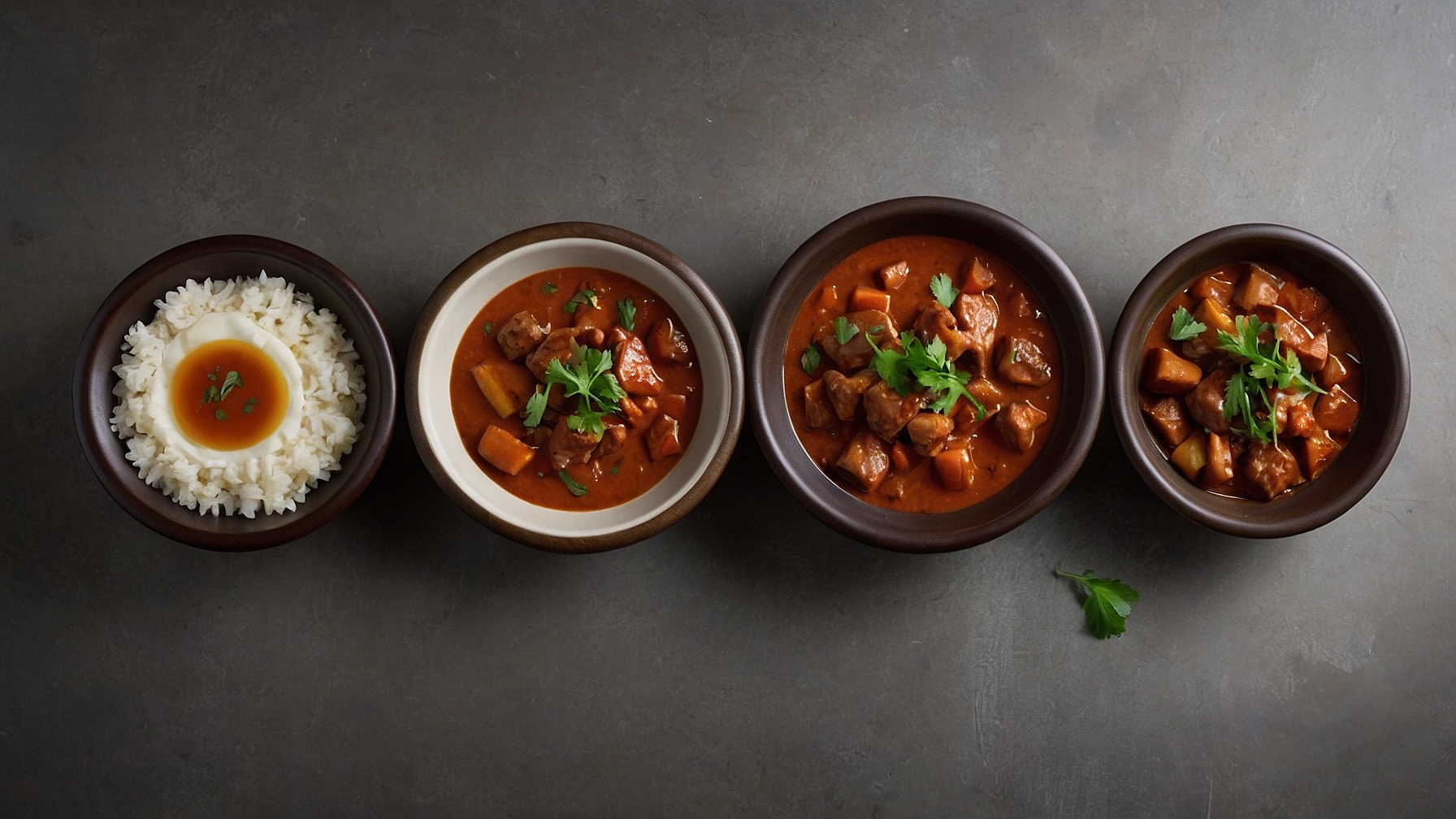
Transform pan drippings into a rich pan sauce for roasted or seared protein.
Ingredients
- Pan drippings: from 1 lb (450g) cooked protein (e.g., chicken, steak, pork)
- 1 tbsp (15g) unsalted butter, or rendered fat from protein, divided
- 1 medium shallot (50g), finely minced
- 1 clove garlic (5g), minced
- ½ cup (120ml) dry red or white wine (e.g., Pinot Noir, Sauvignon Blanc), or low-sodium chicken/beef broth
- 1 cup (240ml) low-sodium chicken, beef, or vegetable stock, warmed
- 1 tbsp (15g) unsalted butter, cold, cut into small pieces
- ½ tsp (2.5ml) fresh thyme leaves, minced (optional)
- ½ tsp salt, to taste
- ¼ tsp black pepper, freshly ground, to taste
Instructions
- Remove cooked protein from the pan; set aside. Keep the pan over medium heat to retain fond (brown bits).
- Pour off all but 1 tbsp (15ml) rendered fat from the pan.
- Add 1 tsp (5g) unsalted butter (or use pan fat) and minced shallot to the pan. Sauté over medium heat, stirring every 30 seconds, for 2-3 minutes until shallots soften and turn translucent, not browned.
- Stir in minced garlic. Cook for 30-60 seconds until fragrant, preventing browning.
- Pour ½ cup (120ml) dry wine or broth into the hot pan. Scrape the pan bottom with a wooden spoon, dissolving all fond. Simmer over medium-high heat for 2-4 minutes until liquid reduces by half.
- Add 1 cup (240ml) warm low-sodium stock to the pan. Bring to a rapid simmer over medium-high heat. Simmer for 5-7 minutes until sauce thickens slightly and reduces to ½ to ¾ cup (120-180ml), coating the back of a spoon.
- (Optional) For a smooth sauce, pour reduced sauce through a fine-mesh sieve into a clean saucepan. Press solids with a spoon to extract liquid. Discard solids.
- Return strained sauce (or original pan) to very low heat. Remove from heat. Gradually whisk in 1 tbsp (15g) cold unsalted butter, one small piece at a time, until fully incorporated and glossy. Do not boil the sauce after butter is added.
- Stir in ½ tsp (2.5ml) minced fresh thyme leaves (if using). Taste sauce. Season with salt and freshly ground black pepper to taste.
- Pour warm pan sauce over rested protein or serve alongside.
Notes
- Flavor Variations: For a richer sauce, whisk 1-2 tbsp (15-30ml) heavy cream or crème fraîche into the sauce in Step 8, before adding butter. For a brighter flavor, add 1 tsp (5ml) lemon juice or your preferred vinegar (e.g., red wine, sherry) in Step 9 after seasoning.
- Consistency Control: If sauce is too thin after reduction, simmer gently over medium-low heat for 1-2 minutes until desired thickness, checking every 30 seconds. If too thick, whisk in 1 tbsp (15ml) warm stock or water until pourable consistency.
- Avoiding a Broken Sauce: To prevent sauce from breaking, remove pan from heat before whisking in cold butter in Step 8. Do not boil the sauce after adding butter; high heat separates fat and liquid.
- Wine Substitutions: To substitute wine, increase broth to 1½ cups (360ml) for deglazing and reduction. Alternatively, use a non-alcoholic cooking wine substitute or add 1-2 tsp (5-10ml) balsamic vinegar.
- Herb Choices: Substitute fresh thyme with other minced herbs. Use rosemary with beef or lamb, sage with pork, or parsley for a fresh finish. Add herbs in Step 9 to preserve flavor.
- Storing and Reheating: Serve pan sauces fresh. Store leftovers in an airtight container in the refrigerator for up to 2-3 days. Reheat gently over low heat on stovetop, whisking constantly. Add 1 tbsp (15ml) stock or water if needed to adjust consistency.
Pro Tips for Perfect Pan Sauces Every Time
Ingredient Tips
- Fat Selection for Fond:Render 2 tablespoons of bacon fat for a smoky base, or use 1 tablespoon of clarified butter for a neutral, high-smoke point start that creates deep golden-brown fond without burning.
- Aromatics Precision:Finely mince shallots to 1/8-inch pieces to ensure they cook down completely within 1-2 minutes until translucent, adding sweetness without noticeable texture in the final sauce.
- Deglazing Liquid Choice:Employ 1/2 cup of dry white wine (e.g., Sauvignon Blanc) or low-sodium chicken broth; ensure it’s cold to maximize the fond-release action from the hot pan and promote rapid steam generation.
- Cold Butter for Emulsification:Incorporate 2 tablespoons of cold, unsalted butter, cut into 1/2-inch cubes, off the heat at the very end to achieve a glossy, thick, and fully emulsified sauce that coats the back of a spoon.
- Flour for Thickening (Roux):If using a roux, whisk 1 tablespoon of all-purpose flour into 1 tablespoon of rendered fat for 1 minute over medium heat until it reaches a pale blonde color, ensuring no raw flour taste.
- Fresh Herb Timing:Add 1 tablespoon of fresh, finely chopped delicate herbs like parsley or chives during the final 30 seconds of cooking, off the heat, to preserve their vibrant color and essential oils.
- Acid for Brightness:Finish with 1/2 teaspoon of fresh lemon juice or 1/4 teaspoon of white wine vinegar after the sauce is complete and off the heat, stirring to brighten and cut through richness, preventing a flat flavor.
Technique Tips
- Building Excellent Fond:After searing meat, ensure the pan has a uniform layer of dark brown (not blackened) fond by allowing 1-2 minutes undisturbed per side for optimal caramelization before removal.
- Sautéing Aromatics Carefully:Add aromatics (e.g., 2 tablespoons minced shallots) to the pan after removing the meat, cooking them in the rendered fat over medium-low heat for 1-2 minutes until they are translucent and soft.
- Effective Deglazing:Pour in 1/2 cup of cold liquid (wine or broth) into the hot pan immediately after sautéing aromatics; vigorously scrape the bottom with a wooden spoon for 30-45 seconds to release all the flavorful, stuck-on bits.
- Achieving Optimal Reduction:Simmer the deglazing liquid over medium-high heat for 3-5 minutes, until it reduces by half and coats the back of a spoon with a thin, shimmering layer, indicating concentrated flavor.
- Perfect Butter Emulsification:Swirl in 2 tablespoons of cold butter, one cube at a time, off the heat, vigorously whisking for 15-20 seconds until fully incorporated and the sauce achieves a glossy, opaque appearance.
- Cream Addition for Body:If using cream, add 1/4 cup of heavy cream after reduction, simmering for 1-2 minutes over medium-low heat until it thickens slightly and bubbles gently at the edges, then remove from heat.
Common Issues
- Problem: Sauce is Too Thin:Increase heat to medium-high and simmer for an additional 2-3 minutes, reducing the volume by another 1/4 until it coats the back of a spoon without running instantly. Alternatively, whisk 1/2 teaspoon of cornstarch with 1 tablespoon of cold water, then gradually whisk into the simmering sauce, cooking for 30 seconds to 1 minute until thickened to a syrupy consistency.
- Problem: Sauce is Too Thick:Whisk in 1-2 tablespoons of warm chicken broth or water, one tablespoon at a time, until the sauce reaches a consistency that just slides off a spoon easily, adjusting slowly to avoid over-thinning.
- Problem: Sauce Tastes Bland:Stir in an additional 1/4 teaspoon of salt, 1/8 teaspoon of freshly ground black pepper, and 1/4 teaspoon of acid (lemon juice or vinegar) to brighten and intensify flavors, tasting after each addition.
- Problem: Sauce Tastes Bitter:This usually indicates burnt fond; if salvageable, add 1/2 teaspoon of sugar or a small splash (1 tablespoon) of cream to round out the bitterness. Next time, deglaze quicker before fond turns black.
- Problem: Sauce is Greasy/Separated:This often happens from too much fat or adding butter when the pan is too hot. Whisk in 1-2 tablespoons of cold water vigorously for 15 seconds to help re-emulsify the sauce, or try adding another small knob (1/2 tablespoon) of cold butter while whisking off heat.
Common Mistakes to Avoid When Making Pan Sauces
Common Mistakes
- Not scraping the fond:
- Why: The browned bits (fond) stuck to the pan are concentrated flavor. Leaving them behind means a less flavorful sauce. Fix: Immediately after removing protein, add 1/2 cup deglazing liquid (wine or stock). Bring to a simmer over medium-high heat and vigorously scrape the entire pan bottom with a wooden spoon until all browned bits are loosened and dissolved into the liquid.
- Adding cold liquid to a hot pan:
- Why: Drastically drops pan temperature, can cause fat to seize or starches to clump. Fix: Allow deglazing liquid (wine, stock) to reach room temperature or gently warm it. Alternatively, briefly remove the hot pan from the burner for 10-15 seconds before pouring in liquid, then return to heat.
- Over-reducing the sauce:
- Why: Flavors concentrate, leading to an excessively salty, syrupy, or overpowering sauce. Fix: Aim to reduce by about half, or until it lightly coats the back of a spoon. If over-reduced, whisk in 1-2 tablespoons of unsalted stock or water at a time until desired consistency and balance is achieved.
- Failing to properly emulsify butter:
- Why: Adding butter incorrectly (e.g., too hot, all at once) causes the sauce to break, appearing greasy or separated. Fix: Remove pan from heat. Whisk in 1 tablespoon of cold, unsalted butter, one piece at a time, until fully incorporated and the sauce looks glossy. Repeat for desired richness (1-3 tablespoons total).
- Skipping the final strain:
- Why: Small burnt bits, herb stems, or tiny lumps from aromatics detract from a smooth texture and elegant appearance. Fix: For a refined sauce, pour through a fine-mesh sieve into a clean serving vessel. Press any solids in the sieve with a spoon to extract maximum flavor and ensure a perfectly smooth result.
Key Techniques
- Building a Flavorful Fond:
- Sear protein in a hot pan without overcrowding. Let it cook undisturbed until a deep golden-brown crust forms on the bottom of the pan. This crust is the “fond.” Remove protein, leaving the fond and rendered fat behind.
- Efficient Deglazing:
- Immediately after removing protein, pour 1/2 cup of chosen liquid (wine or stock) into the hot pan. Bring to a rapid simmer over medium-high heat. Vigorously scrape the entire pan bottom with a wooden spoon until all the browned bits are dissolved into the liquid, typically 1-2 minutes.
- Adding Aromatics & Reducing:
- Reduce the deglazing liquid by about half. Stir in 1-2 tablespoons of finely minced shallots or garlic; cook for 1-2 minutes until softened. For a thicker sauce, whisk in a slurry (1 teaspoon cornstarch dissolved in 1 tablespoon cold water), stirring constantly until no lumps remain and it gently thickens, lightly coating the back of a spoon.
- Mounting with Cold Butter (Monter au Beurre):
- Remove pan from heat. Whisk in 1-2 tablespoons of cold, unsalted butter, one tablespoon at a time. Whisk vigorously until each piece is fully melted and incorporated, creating a stable emulsion. The sauce will take on a rich, glossy sheen and become velvety smooth. Do not boil after this step.
- Final Seasoning and Brightening:
- Taste the finished sauce. Adjust seasoning with salt and freshly ground black pepper. To brighten and balance flavors, whisk in 1/2 teaspoon of fresh lemon juice at a time, tasting after each addition, until flavors are balanced and bright.