
Authentic German Beef Rouladen: A Taste of Friendship
This classic German-inspired dish delivers impressive flavor with minimal effort, making it an ideal choice for busy weeknights or relaxed weekend dining.
It requires just one skillet and comes together in under 40 minutes, utilizing readily available pantry staples for a complete meal.
The cooking process is designed for efficiency, ensuring tender results and a rich, savory sauce with simple steps. Prepare this dish for a satisfying family dinner, pairing it perfectly with crusty bread or a side of roasted root vegetables to soak up the delicious juices.
Authentic German Beef Rouladen
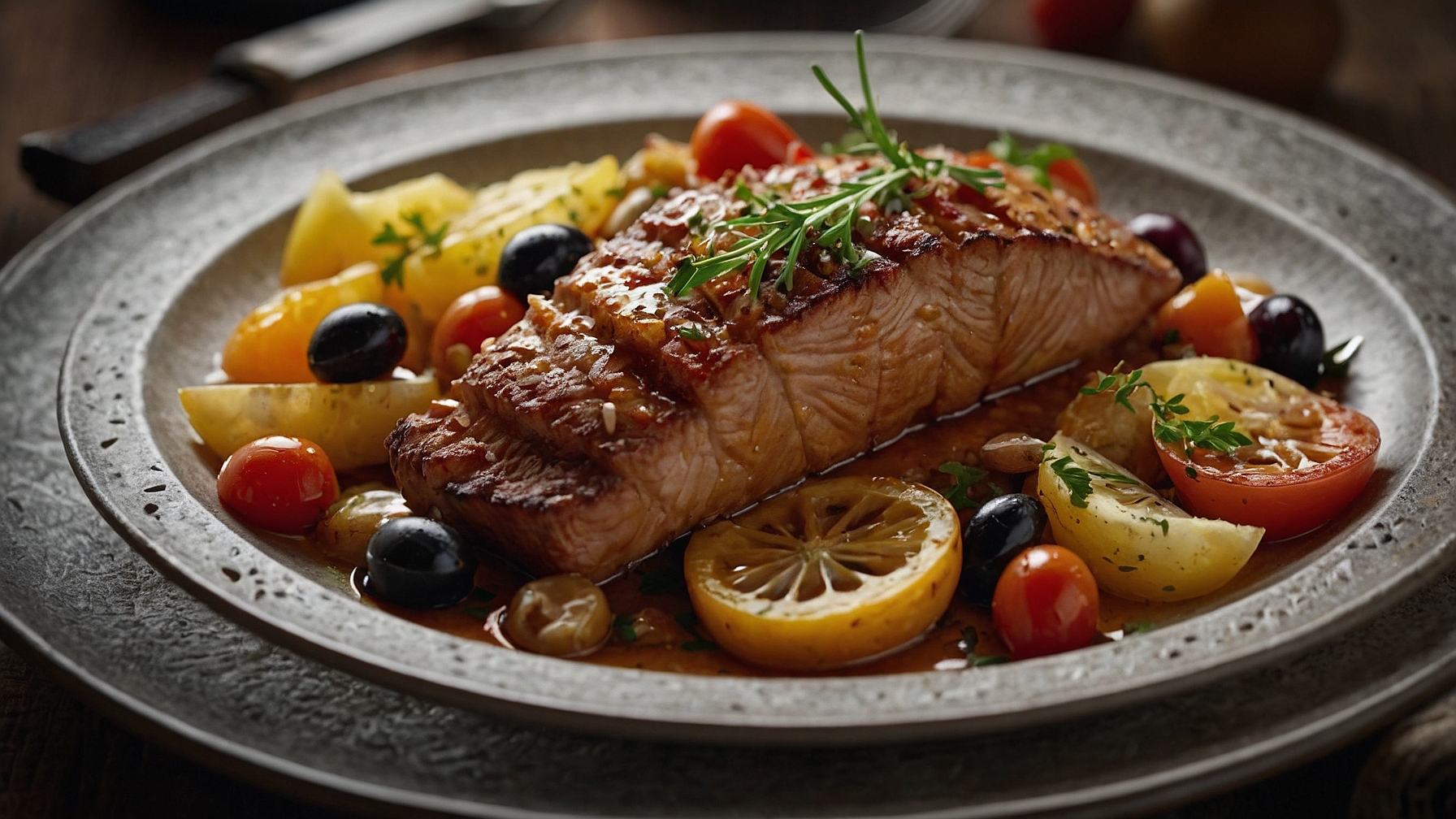
German Beef Rouladen are savory beef rolls filled with bacon, pickles, and onions, slow-braised to tender perfection in a rich, flavorful gravy.
Ingredients
For the Rouladen:
- 4 slices beef top round or sirloin, 1/4 inch (6mm) thick, 6-8 oz (170-225g) each, cut against the grain
- 4 tablespoons (60ml) Dijon mustard or spicy German mustard
- 4 slices smoked streaky bacon or Schwarzwälder Schinken, thinly sliced
- 4 small dill pickles (gherkins), 2-3 inches (5-7.5cm) long, quartered lengthwise
- 1 small yellow onion, finely diced, 1/2 cup (80g)
- 1 teaspoon (5g) fine sea salt, divided
- 1/2 teaspoon (2g) freshly ground black pepper, divided
- 2 tablespoons (30ml) vegetable oil, lard, or clarified butter (ghee)
For the Braising Liquid:
- 1 medium yellow onion, roughly chopped, 1 cup (160g)
- 1 medium carrot, peeled and roughly chopped, 1/2 cup (60g)
- 1 stalk celery, roughly chopped, 1/2 cup (60g)
- 2 tablespoons (30g) tomato paste, unsalted
- 1 cup (240ml) dry red wine (e.g., Pinot Noir, Merlot, or Zweigelt), optional
- 4 cups (960ml) beef broth, low sodium
- 1 large bay leaf
- 2 sprigs fresh thyme
For the Gravy:
- 2 tablespoons (15g) cornstarch or all-purpose flour
- 1/4 cup (60ml) cold water
- 2 tablespoons (30ml) heavy cream or Crème fraîche, optional
Instructions
- Pound each beef slice between plastic wrap to 1/8 inch (3mm) thickness. Spread 1 tablespoon (15ml) mustard thinly over one side of each slice, almost to the edges. Sprinkle each piece with 1/4 teaspoon (1.25g) salt and 1/8 teaspoon (0.5g) black pepper.
- Lay one bacon slice on the mustard-coated beef. Place 2-3 pickle quarters and 1 tablespoon (15g) finely diced onion at one end of the beef. Tightly roll the beef from the filled end, tucking in the sides. Secure each roulade with 2-3 pieces of butcher’s twine or 2-3 wooden toothpicks. Repeat for remaining rouladen.
- Heat 2 tablespoons (30ml) vegetable oil or lard in a large Dutch oven over medium-high heat for 2-3 minutes until shimmering. Place rouladen seam-side down in the hot oil. Sear 3-4 minutes per side until deeply golden brown on all sides. Remove seared rouladen from the pot to a plate.
- Reduce heat to medium. Add 1 roughly chopped medium onion, 1 roughly chopped medium carrot, and 1 roughly chopped celery stalk to the pot with pan drippings. Sauté for 5-7 minutes, stirring occasionally, until vegetables are softened and slightly browned.
- Push sautéed vegetables to one side. Add 2 tablespoons (30g) tomato paste to the cleared space. Cook tomato paste for 1-2 minutes, stirring frequently, until it darkens slightly and becomes fragrant. Pour in 1 cup (240ml) red wine (if using), scraping the pot bottom. Simmer for 2-3 minutes until wine reduces by half.
- Pour in 4 cups (960ml) beef broth. Stir to combine with vegetables and tomato paste. Add 1 bay leaf and 2 fresh thyme sprigs. Bring liquid to a gentle simmer.
- Return seared rouladen to the pot. Preheat oven to 325°F (160°C) if using. Cover pot tightly. Transfer to preheated oven, or simmer gently on stovetop over low heat. Braise for 150-180 minutes, turning rouladen once halfway, until beef is tender and easily pierced with a fork.
- Remove rouladen from the pot to a platter. Cover loosely with foil to keep warm. Discard butcher’s twine or toothpicks, bay leaf, and thyme sprigs.
- Strain braising liquid and vegetables through a fine-mesh sieve into a clean saucepan; discard solids. Bring strained sauce to a simmer over medium heat. Reduce sauce for 5-10 minutes until flavor intensifies.
- Whisk 2 tablespoons (15g) cornstarch (or flour) with 1/4 cup (60ml) cold water in a small bowl until a smooth slurry forms. Gradually whisk slurry into the simmering sauce. Simmer for 2-3 minutes, stirring constantly, until gravy thickens. Whisk in 2 tablespoons (30ml) heavy cream (optional). Season with salt and pepper as needed.
- Slice rouladen into thick rounds if desired, or serve whole. Ladle hot gravy over rouladen. Serve immediately with Spätzle, mashed potatoes, or red cabbage.
Notes
- Twine vs. Toothpicks: Butcher’s twine holds rouladen more securely during long braising. Toothpicks are quicker but less robust.
- Mustard Choice: Use medium-hot German mustard for authentic flavor. Dijon provides a milder, tangier profile.
- Make Ahead: Prepare rouladen one day in advance and refrigerate. Reheat in sauce on stovetop or in oven at 300°F (150°C) for 20-30 minutes until warmed through.
- Freezing: Cooked rouladen, fully submerged in gravy, freeze for up to 3 months in an airtight container. Thaw overnight in refrigerator and reheat.
- Serving Suggestions: Serve with potato dumplings (Kartoffelklöße), mashed potatoes, Spätzle, or braised red cabbage (Rotkohl).
Pro Tips for Perfect German Rouladen
Ingredient Tips
- Beef Cut & Thickness:Opt for top round or flank steak, sliced against the grain to 1/4-inch thickness, then pound uniformly to 1/8-inch for optimal tenderness and pliable rolling.
- Mustard Choice & Quantity:Spread 1.5 teaspoons of strong German mustard (like Löwensenf Extra) evenly over each steak slice, leaving a 1/2-inch border, for a sharp, balanced flavor that permeates the meat.
- Bacon Selection:Use 2 slices of thin-cut streaky bacon per roulade; avoid thick-cut varieties as they can make rolling difficult and prevent the bacon from crisping evenly within the roulade.
- Pickle Preparation:Chop dill pickles (cornichons or gherkins work best) into precise 1/4-inch dice, using about 1.5 tablespoons per roulade, to ensure even distribution and a pleasant, consistent textural crunch.
- Onion Fineness:Finely dice yellow onions into 1/8-inch pieces, using 1 tablespoon per roulade, ensuring they completely soften and integrate into the filling without leaving large, pungent raw chunks after cooking.
- Broth Quality:Utilize 4 cups of high-quality beef broth, preferably low-sodium or homemade, to control the final saltiness of the gravy and build a deep, foundational umami flavor.
Technique Tips
- Secure Rolling:Roll roulades tightly from one end, then secure each with 2-3 pieces of kitchen twine spaced 1.5 inches apart, or use metal rouladen pins, to ensure they hold their compact, cylindrical shape during searing and braising.
- Perfect Searing:Sear roulades in 2 tablespoons of high-smoke point oil (like grapeseed) over medium-high heat for 3-4 minutes per side, until a deep, crusty golden brown develops, creating rich, foundational flavor for the gravy.
- Optimal Braising Conditions:Braise covered in a Dutch oven with liquid covering at least 2/3 of the roulades, at a consistent 325°F (160°C) for 2.5 to 3 hours, until the beef is undeniably fork-tender and yields with minimal resistance.
- Gravy Thickening Method:Whisk 2 tablespoons of cornstarch with 1/4 cup cold water until smooth, then slowly whisk this slurry into the simmering braising liquid. Simmer for 2-3 minutes, stirring constantly, until the gravy visibly thickens to a consistency that lightly coats the back of a spoon.
Common Issues
- Tough Rouladen:If rouladen are tough after 2.5 hours, increase braising time by 30-60 minutes, checking every 15 minutes, ensuring the internal temperature reaches 200-205°F (93-96°C) for complete collagen breakdown, resulting in melt-in-your-mouth tenderness.
- Filling Escaping:To prevent filling from spilling out, leave a 1-inch border on the short sides of the beef after spreading fillings. Fold these borders inwards before tightly rolling to create sealed ends, effectively containing the delicious interior.
- Bland Gravy:After searing and removing roulades, deglaze the pot with 1/2 cup dry red wine, scraping up all browned bits from the bottom. Reduce this by half (about 5 minutes on medium heat) before adding broth to build a significantly deeper, more robust flavor foundation.
- Overly Salty Gravy:If your gravy is too salty, add 1/4 cup of plain water or unsalted beef broth at a time, allowing it to simmer for 5 minutes between additions, until the desired flavor balance is achieved without compromising consistency.
What to Serve With German Beef Rouladen
Perfect Pairings
- Spaetzle:These soft, eggy German noodles are an absolute classic. Their delicate texture provides a perfect contrast to the tender, slow-braised beef, while their porous surface acts as an ideal sponge for soaking up every last drop of the rich, savory gravy, ensuring a truly comforting bite.
- Braised Red Cabbage (Rotkohl):No German meal is complete without this vibrant side. The sweet and sour notes from the apples, vinegar, and spices in Rotkohl cut beautifully through the richness of the beef and bacon in the rouladen, offering a refreshing palate cleanser with every bite. Its slightly tender-crisp texture also adds a lovely counterpoint.
- Kartoffelklöße (Potato Dumplings):These light, airy potato dumplings are designed for one purpose: to absorb magnificent gravy. Their neutral flavor allows the complex flavors of the rouladen to shine, while their soft, yielding texture perfectly complements the tender beef, ensuring a satisfying and hearty mouthful that feels authentic.
- Glazed Carrots:Simple yet effective, glazed carrots offer a touch of natural sweetness and a subtle earthy flavor that harmonizes with the savory rouladen. Their slight crunch, achieved by keeping them a bit al dente, adds a welcome textural variety against the tender meat and richness of the sauce.
- Lingonberry Sauce:A small dollop of tart lingonberry sauce on the side provides a burst of fruity acidity. This bright, slightly sweet condiment is fantastic for balancing the rich flavors of the beef and bacon, offering a refreshing counterpoint that brightens the entire dish without overpowering it.
Complete Meal Ideas
- Traditional German Feast:Serve your exquisite German Beef Rouladen with a generous portion of fluffy Kartoffelklöße for maximum gravy absorption, and a vibrant side of tangy Braised Red Cabbage (Rotkohl) to cut through the richness. Add a sprinkle of fresh parsley for color and aroma.
- Weeknight Comfort:Pair the flavorful Rouladen with creamy Mashed Potatoes – perhaps infused with a hint of garlic or chives – alongside simply steamed Green Beans dressed lightly with butter and a pinch of salt. This combination is hearty, familiar, and relatively straightforward to prepare.
- Elegant Dinner Party:Present the Rouladen with delicate Parsley Potatoes (small boiled potatoes tossed with butter and fresh parsley) and perfectly roasted Asparagus Spears. Offer a small dish of Lingonberry Sauce on the side for guests to add a touch of sweet-tartness as desired, elevating the meal with sophisticated flavors.
Serving Tips
- Gravy is Non-Negotiable:Always serve Rouladen with plenty of its braising liquid, thickened into a rich gravy. This is absolutely essential for moistening the tender meat and for pairing perfectly with any accompanying sides. You can strain and reduce the liquid for an even more intense flavor.
- Temperature Matters:Rouladen and its accompanying sides should always be served piping hot to ensure the best flavor and texture experience. Cold rouladen loses much of its appeal, so heat plates beforehand if possible.
- Timing Your Sides:Braised Red Cabbage (Rotkohl) can be made a day or two in advance and reheats beautifully, often tasting even better as flavors meld. Start this side first to save time on the day of serving. Fresh potato dumplings or spaetzle, however, are best made just before serving for optimal texture.
- Garnish for Appeal:A simple sprinkle of fresh, chopped Parsley not only adds a delightful pop of vibrant color to the plate but also introduces a fresh, herbaceous note that subtly complements the rich, savory dish, making it visually more appealing.